Welcome to BKPOWER!












Transformers and Regulators: Essential for Stable Power Supply
TIPS:This article delves into the crucial roles of transformers and regulators in electrical power systems, illustrating how they collaborate to ensure a stable and reliable power supply. Transformers efficiently convert voltages through electromagnetic induction, making them ideal for long – distance power transmission and catering to diverse voltage requirements. On the other hand, regulators automatically maintain a constant output voltage, safeguarding sensitive equipment from voltage fluctuations. The text provides an in – depth look at various types of transformers and regulators, such as step – up/step – down transformers, voltage regulators, and stabilizers. It also emphasizes their extensive applications in power transmission, industrial manufacturing, and commercial/residential settings. By selecting and maintaining appropriate transformers and regulators, power systems can achieve efficient and stable operation, enhancing power quality, minimizing equipment downtime, and cutting operational costs.
Ⅰ. Introduction
In electrical systems, transformers and regulators are crucial components that work together to ensure a stable and reliable power supply. They play vital roles in converting, transmitting, and regulating electrical power to meet the varying demands of different applications. This article explores the functions, types, and applications of transformers and regulators, highlighting their importance in maintaining power quality and protecting electrical equipment.
Ⅱ. What are Transformers?
Transformers are static electrical devices that transfer electrical energy between circuits through electromagnetic induction. They are used to increase or decrease alternating voltage levels while maintaining the same frequency. Transformers are essential in power transmission and distribution systems, enabling efficient long – distance power transfer and stepped – voltage supply for various applications.
Types of Transformers
- Step – Up Transformers: Increase voltage levels for transmission over long distances, reducing power loss in transmission lines.
- Step – Down Transformers: Decrease voltage levels to suit the requirements of residential, commercial, and industrial consumers.
Ⅲ. What are Regulators?
Regulators are devices designed to maintain a constant voltage output despite fluctuations in the input voltage. They ensure that connected equipment receives a stable power supply, protecting sensitive devices from voltage surges, sags, and other power quality issues.
Key Types of Regulators
- Voltage Regulators: Automatically maintain a constant voltage output by adjusting the excitation current in generators or using switching elements in power systems.
- Stabilizers: Use servo motors or solid – state components to adjust voltage mechanically or electronically, providing precise voltage control for industrial and commercial applications.
Ⅳ. The Relationship Between Transformers and Regulators
Transformers and regulators are often used together in power systems to achieve efficient power transmission and stable voltage supply. Transformers handle the conversion of voltage levels, while regulators ensure that the voltage remains within acceptable limits at the point of utilization.
Ⅴ. Benefits of Using Transformers and Regulators
For Transformers
- Efficient Power Transmission: Enable long – distance power transfer with minimal power loss.
- Voltage Compatibility: Match voltage levels to the requirements of different consumers and applications.
For Regulators
- Equipment Protection: Prevent damage to sensitive electrical equipment from voltage fluctuations.
- Improved Power Quality: Ensure stable voltage supply, reducing downtime and operational disruptions.
Ⅵ. Applications of Transformers and Regulators
In Power Generation and Transmission
- Transformers step up voltage for efficient transmission over high – voltage lines.
- Regulators maintain stable voltage at generator terminals and substations.
In Industrial Applications
- Transformers provide the appropriate voltage levels for industrial processes and machinery.
- Regulators protect expensive industrial equipment from voltage variations, ensuring continuous production.
In Commercial and Residential Settings
- Step – down transformers reduce voltage to safe levels for household and commercial use.
- Regulators ensure appliances and lighting systems operate reliably without voltage – related issues.
Ⅶ. How to Choose the Right Transformers and Regulators
For Transformers
- Power Rating: Select a transformer with a power rating that matches the load requirements.
- Voltage Ratio: Ensure the transformer’s voltage ratio suits the input and output voltage needs of your system.
- Efficiency: Opt for high – efficiency transformers to minimize power losses and reduce operating costs.
For Regulators
- Power Capacity: Choose a regulator with sufficient power capacity to handle your equipment’s total load.
- Response Time: Select a regulator with a response time fast enough to protect your sensitive equipment.
- Regulation Accuracy: Determine the required voltage stability precision based on your application’s needs.
Ⅷ. Maintenance of Transformers and Regulators
For Transformers
- Regular Inspections: Check for signs of wear, leakage, or overheating.
- Oil Analysis: For oil – immersed transformers, analyze oil samples to monitor internal condition.
- Winding Resistance Tests: Ensure windings are intact and connections are secure.
For Regulators
- Cleaning and Dust Removal: Keep regulators clean to ensure proper heat dissipation.
- Component Checks: Inspect for damaged or worn components and replace them promptly.
- Performance Testing: Periodically test regulators to verify their functionality and regulation accuracy.
Ⅸ. Case Studies
Power Plant
A power plant implemented high – quality transformers and regulators to enhance its power supply system. The transformers efficiently stepped up voltage for transmission, while the regulators ensured stable voltage output. This resulted in reduced power losses and improved power quality, leading to more efficient power delivery to consumers.
Manufacturing Facility
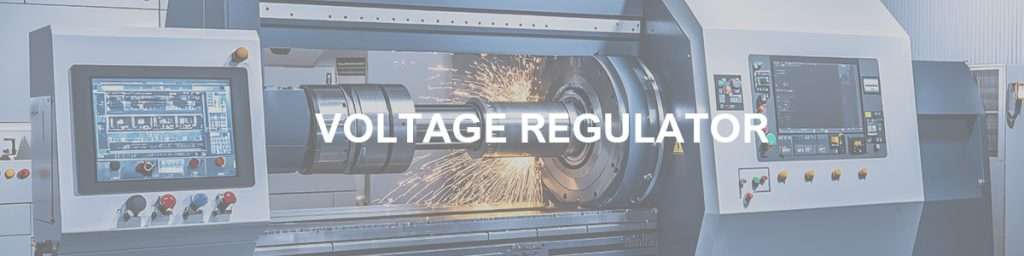
A manufacturing facility experiencing frequent equipment failures due to voltage fluctuations installed advanced regulators. The regulators provided stable voltage supply, protecting CNC machines and other critical equipment. This led to a significant reduction in equipment downtime and maintenance costs, improving production efficiency.
Ⅹ. Conclusion
Transformers and regulators are indispensable in modern electrical systems. They work together to ensure efficient power transmission, distribution, and utilization, providing stable and reliable power to various applications. By understanding the functions, types, and benefits of transformers and regulators, businesses and individuals can make informed decisions to enhance the performance and reliability of their electrical systems. Whether in power generation, industrial manufacturing, or commercial and residential settings, the proper selection and maintenance of transformers and regulators are key to achieving optimal power quality and protecting valuable electrical investments.
References
- International Electrotechnical Commission (IEC)Official website: www.iec.ch
- Underwriters Laboratories (UL)Official website: www.ul.com
- European Committee for Standardization (CEN)Official website: www.cen.eu
- Standardization Administration of China (SAC)Official website: www.sac.gov.cn
- Zhongguancun Energy Storage Industry Technology Alliance (CNESA)Official website: www.cnESA.org
- International Organization for Standardization (ISO)Official website: www.iso.org