Chào mừng đến với BKPOWER!





Renewable Energy Integration: UPS for Solar Hybrid Systems
TIPS:Industrial frequency UPS systems now serve as the intelligent backbone of modern hybrid energy architectures. This article explores how Hệ thống nguồn liên tục (UPS) tần số công nghiệp technology enables seamless integration of solar PV, diesel generators, and grid power. We examine why solar hybrid UPS system designs featuring smart synchronous control outperform conventional backup solutions. Readers will discover multi-source switching mechanisms, efficiency optimization strategies, and practical deployment frameworks for critical infrastructure.
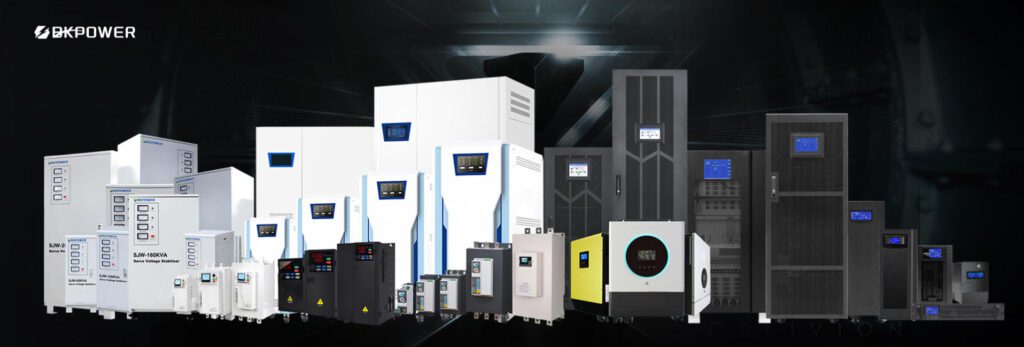
Ⅰ. Introduction: The Evolution of UPS in Renewable Ecosystems
The energy landscape is shifting rapidly. Traditional UPS systems worked as passive backup devices. They waited for grid failures. Then they activated. This model no longer serves modern energy needs.
Today’s industrial facilities demand active energy management. They need systems that balance multiple power sources dynamically. Bộ lưu điện tần số công nghiệp technology answers this call. It transforms Nguồn điện dự phòng from insurance into an asset.
BKPOWER engineers have developed advanced switching architectures. These systems manage three energy sources simultaneously. Solar PV arrays provide clean daytime power. Diesel generators offer extended runtime. The grid supplies baseline capacity. The UPS coordinates them all.
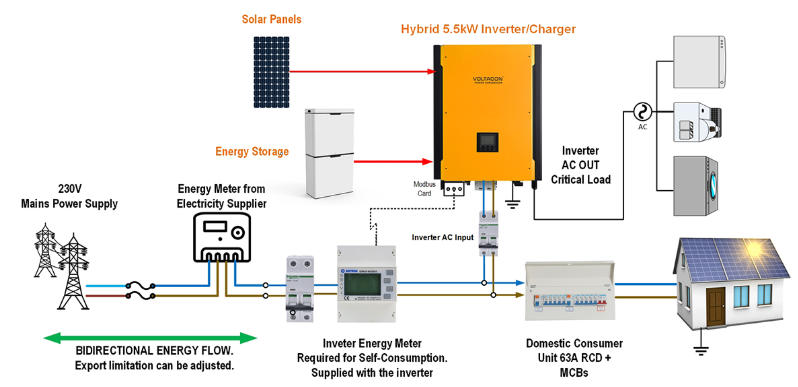
Figure 1: Hybrid energy system architecture showing bidirectional power flow between solar, grid, and battery storage
Ⅱ. Understanding Industrial Frequency UPS Advantages
Industrial frequency UPS systems use iron-core transformers. They operate at 50 or 60 Hz. This design differs fundamentally from high-frequency alternatives.
1. Isolation and Protection The galvanic isolation protects sensitive loads. It blocks electrical noise. It prevents surges from reaching critical equipment. This matters in industrial environments. Machines generate electrical disturbances. The UPS filters them.
2. Overload Capacity Industrial loads demand high starting currents. Motors draw 6-8 times their rated current. Compressors need similar surges. Industrial frequency UPS systems handle these demands. They provide 150-200% overload capacity for minutes. High-frequency units struggle here. They shut down under similar stress.
3. Longevity and Durability Transformer-based designs last longer. They tolerate heat better. They survive harsh conditions. Mining sites face dust and vibration. Tropical locations endure humidity. Industrial frequency UPS systems thrive in these settings. Their Mean Time Between Failures (MTBF) exceeds 100,000 hours.
Ⅲ. The Solar Hybrid Architecture
A solar hybrid UPS hệ thống integrates photovoltaic generation with battery storage. It adds conventional backup sources. This creates a resilient microgrid.
1. Component Integration The system contains several key elements. MPPT charge controllers optimize solar harvest. Battery banks store excess energy. Inverters convert DC to AC. Automatic transfer switches manage source selection. The BKPOWER controller orchestrates these components.
2. Operating Modes The system operates in multiple states. Solar-priority mode uses PV power first. Battery mode activates during outages. Diesel mode starts when solar and batteries deplete. Grid mode provides utility backup. The UPS switches between these states automatically.
Ⅳ. Smart Synchronous Control Technology
BKPOWER’s proprietary control system represents a breakthrough. It solves the synchronization challenge. Multiple AC sources must match perfectly. Voltage, frequency, and phase must align. Otherwise, equipment fails.
1. Phase-Locked Loop (PLL) Technology The controller monitors all input sources. It detects phase angles. It calculates frequency deviations. Then it adjusts output in real-time. The switching time stays below 4 milliseconds. Critical loads never notice the transition.
2. Dynamic Load Sharing When multiple sources run simultaneously, the system balances loads. It distributes power proportionally. Solar provides base load. Grid covers variable demand. Diesel handles peak surges. This optimization reduces fuel consumption. It extends battery life.
3. Predictive Energy Management The controller analyzes usage patterns. It predicts solar availability. It considers weather forecasts. Then it optimizes charging cycles. Batteries reach full charge before cloudy days. Generator runtime minimizes during sunny periods.
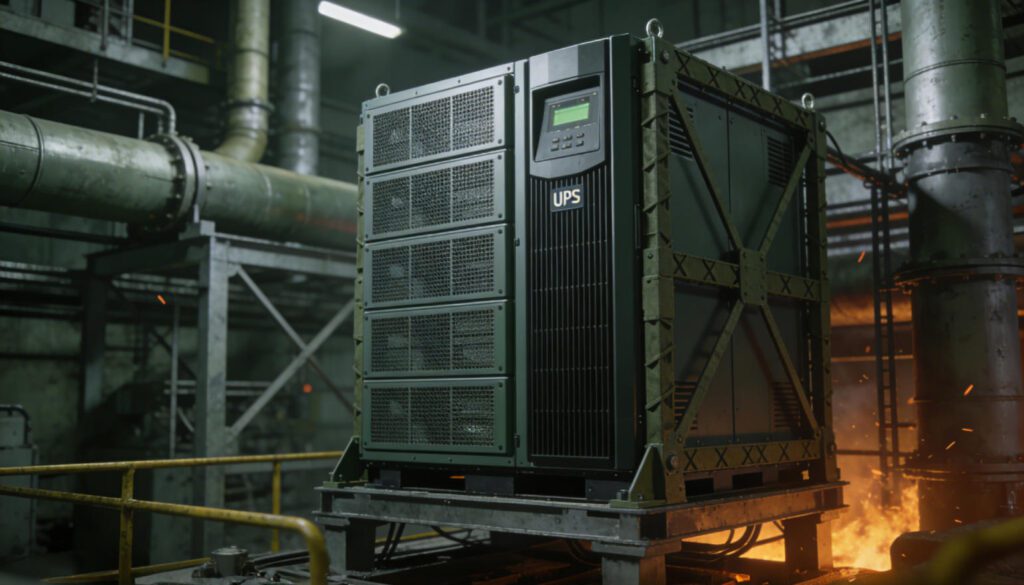
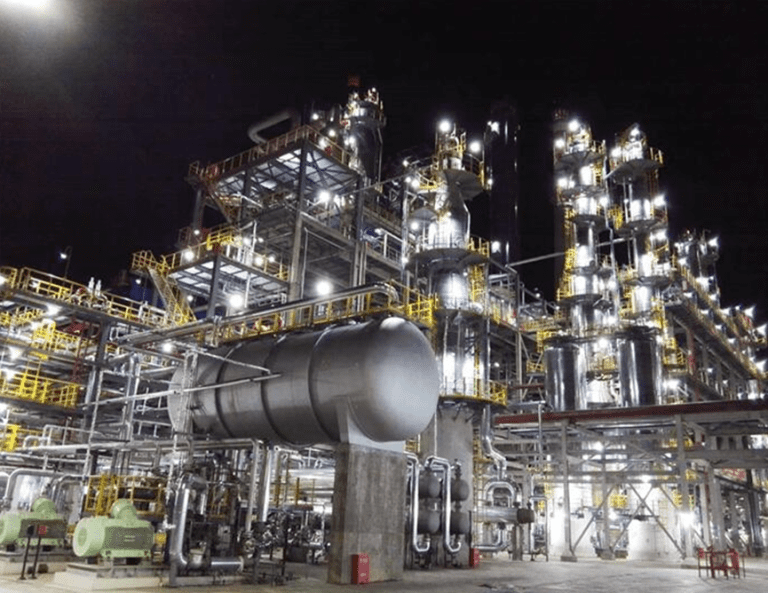
Figure 2: Industrial UPS deployment showing robust construction for harsh environments
Ⅴ. Multi-Source Switching Mechanisms
The switching logic determines system reliability. BKPOWER employs hierarchical decision trees.
1. Priority Algorithms Solar energy ranks first. The system uses all available PV power. Batteries provide second-tier support. They discharge when solar drops. Grid connection serves as third priority. Diesel generation remains the final backup.
2. Seamless Transition Protocol Switching occurs in stages. The UPS prepares the new source. It synchronizes phases. It matches voltages. Then it transfers the load. The old source disconnects cleanly. No sparks occur. No interruptions happen.
3. Anti-Islanding Protection Grid-tied systems need safety features. The UPS detects grid failures. It disconnects immediately. This protects utility workers. It prevents backfeeding. Once grid power returns, the system reconnects automatically.
Ⅵ. Các tình huống ứng dụng và nghiên cứu điển hình
Different industries require specific configurations. BKPOWER customizes solutions for each sector.
1. Telecommunications Infrastructure Remote cell towers need reliable power. Grid connections prove unstable. Solar hybrid systems provide independence. A tower in rural Africa demonstrates this. Solar panels cover 80% of daily needs. Batteries handle 8-hour autonomy. Diesel runs only during prolonged clouds. Fuel costs dropped 70%.
2. Medical Facilities Hospitals cannot tolerate interruptions. Operating rooms demand zero-transfer switching. The UPS maintains power always. Solar reduces electricity bills. During emergencies, diesel provides indefinite backup. A clinic in Southeast Asia uses this setup. It achieved 99.999% uptime.
3. Manufacturing Plants Industrial automation requires stable voltage. Robots reject power fluctuations. The UPS filters grid disturbances. Solar offsets daytime consumption. Generators support heavy machinery starts. A textile factory reduced power-related downtime by 95%.
Ⅶ. Technical Specifications and Selection Guidelines
Choosing the right system requires careful analysis. Capacity planning follows specific methodologies.
1. Load Assessment Methods Users must calculate total demand. They should identify critical versus non-critical loads. Starting currents require special attention. Power factors affect sizing decisions. BKPOWER engineers provide load analysis tools.
2. Battery Sizing Calculations Autonomy time determines dung lượng pin. One hour requires less investment. Eight hours provides security. Solar recharge rates influence decisions. Larger arrays need smaller batteries. Geographic location affects sunlight hours.
3. Solar Array Matching Panel wattage must exceed average load. Oversizing compensates for cloudy days. MPPT controllers maximize harvest. Array orientation impacts performance. Tilt angles require optimization.
| Phạm vi công suất | Solar Input | Ngân hàng pin | Diesel Support | Best Applications |
|---|---|---|---|---|
| 10-30 kVA | 15-45 kW | 4-8 hours | Optional | Small clinics, offices |
| 30-60 kVA | 45-90 kW | 4-12 hours | Được đề xuất | Nhà máy, trung tâm dữ liệu |
| 60-100 kVA | 90-150 kW | 6-16 hours | Bắt buộc | Heavy industry, telecom |
Table 1: Configuration matrix for different capacity ranges
Ⅷ. Installation and Maintenance Best Practices
Proper implementation ensures longevity. Maintenance prevents surprise failures.
1. Environmental Considerations Installers must provide ventilation. Heat reduces battery life. Dust filters need regular cleaning. Humidity control prevents corrosion. Equipment rooms require climate control.
2. Commissioning Procedures Initial setup tests all functions. Technicians verify switching logic. They simulate grid failures. They measure transfer times. Solar integration requires calibration. Diesel auto-start needs testing.
3. Routine Maintenance Schedules Monthly inspections check connections. Quarterly tests exercise the diesel. Annual servicing replaces filters. Battery testing occurs biannually. Thermal imaging detects hot spots.
Ⅸ. Economic Analysis and ROI Calculations
Hybrid systems require upfront investment. Savings accrue over time.
1. Capital Expenditure Breakdown Solar panels represent 30-40% of costs. Batteries add 25-35%. The UPS unit comprises 20-25%. Installation and commissioning complete the balance. Government incentives may offset portions.
2. Operational Savings Fuel costs decrease dramatically. Maintenance visits reduce. Grid electricity purchases drop. Battery life extends through intelligent management. Typical payback periods range 3-5 years.
3. Tổng chi phí sở hữu Over ten years, savings multiply. Fuel price increases accelerate returns. Equipment reliability avoids downtime costs. Productivity gains add value. Carbon credits provide additional revenue.
Ⅹ. Future Trends and Technology Roadmap
The industry continues evolving. BKPOWER invests in next-generation capabilities.
1. Lithium-Ion Battery Integration New battery chemistries offer higher density. They charge faster. They last longer. Costs continue declining. Integration requires compatible charging algorithms.
2. IoT and Giám sát từ xa Cloud connectivity enables predictive maintenance. Operators receive smartphone alerts. Technicians diagnose issues remotely. Data analytics optimize performance automatically.
3. Grid-Interactive Capabilities Advanced systems support demand response. They sell excess solar power. They stabilize local grids. Virtual power plant participation creates revenue streams.

Phần kết luận
Industrial frequency UPS systems redefine energy security. They merge reliability with sustainability. BKPOWER’s smart synchronous control eliminates traditional compromises. Facilities gain uninterrupted power. They reduce carbon footprints. They cut operational costs.
The technology suits diverse applications. From remote telecom towers to urban hospitals, the benefits prove consistent. Solar hybrid systems represent the future of backup power. They transform liabilities into assets.
Organizations should evaluate their energy vulnerabilities. They must consider hybrid solutions. The technology is mature. The business case is strong. Implementation expertise is available.
Tài liệu tham khảo
- Ủy ban Kỹ thuật Điện Quốc tế (IEC)Trang web chính thức: www.iec.ch
- Underwriters Laboratories (UL)Trang web chính thức: www.ul.com
- Ủy ban Tiêu chuẩn hóa Châu Âu (CEN)Trang web chính thức: www.cen.eu
- Cục Quản lý Tiêu chuẩn hóa Trung Quốc (SAC)Trang web chính thức: www.sac.gov.cn
- Liên minh Công nghệ Công nghiệp Lưu trữ Năng lượng Zhongguancun (CNESA)Trang web chính thức: www.cnESA.org
- Tổ chức Tiêu chuẩn hóa Quốc tế (ISO)Trang web chính thức: www.iso.org