مرحباً بك في BKPOWER!












Textile Mill UPS: Protect Sensitive Spinning Machines
الإرشادات :مصادر الطاقة غير المنقطعة (UPS) الصناعية عبر الإنترنت systems have become critical infrastructure for modern textile mills. Every spinning machine depends on stable power to maintain yarn quality and reduce breakage rates. This article explores how textile machine UPS solutions protect sensitive frequency converter loads. BKPOWER’s advanced online industrial يو بي إس technology handles non-linear loads with ease. Discover why textile machine UPS compatibility matters for your production line continuity.
Ⅰ. Introduction: The Hidden Cost of Power Fluctuations in Spinning Mills
Power quality issues cost textile manufacturers millions annually. A single voltage sag can destroy an entire batch of fine yarn. Modern spinning machines represent massive capital investments. They demand clean, uninterrupted power to operate at peak efficiency.
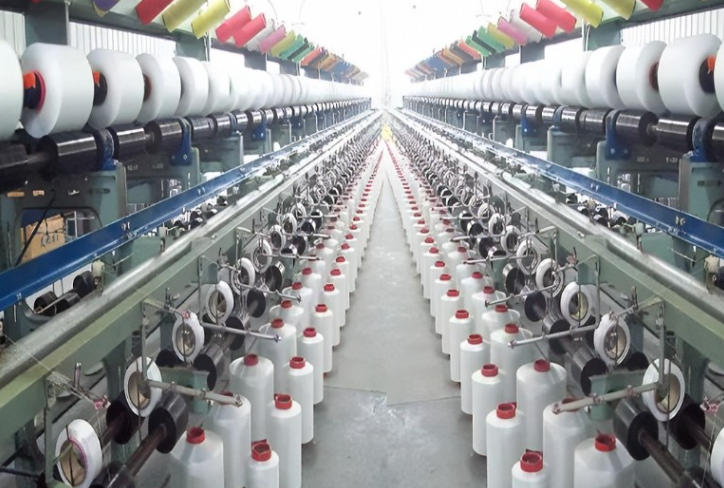
Textile mills face unique power challenges. The environment contains dust, humidity, and temperature fluctuations. Equipment loads vary constantly. Spinning frames, ring frames, and winding machines create complex power demands. These machines use variable frequency drives (VFDs). VFDs generate harmonic distortion. Standard power protection equipment often fails to handle these non-linear loads.
BKPOWER understands these challenges. Our online industrial UPS systems specifically address textile manufacturing needs. We designed our units to handle the harsh environments of spinning mills. Our technology accommodates the non-linear characteristics of modern textile machinery.
Ⅱ. Understanding the Sensitive Nature of Modern Spinning Equipment
1.High-Speed Precision Mechanisms
Modern spinning machines operate at incredible speeds. Ring frames spin at 25,000 RPM or higher. Open-end rotors reach 100,000 RPM. These speeds require precise electronic control. Microprocessors manage every aspect of yarn formation. Voltage fluctuations disrupt these controls. Even minor power interruptions cause immediate production stops.
Stopping creates material waste. Broken threads require manual rethreading. Operators spend valuable production time clearing jams. Each stoppage reduces overall equipment effectiveness (OEE). Power-related stops represent preventable losses.
2.Frequency Converters: Power Quality Challenges
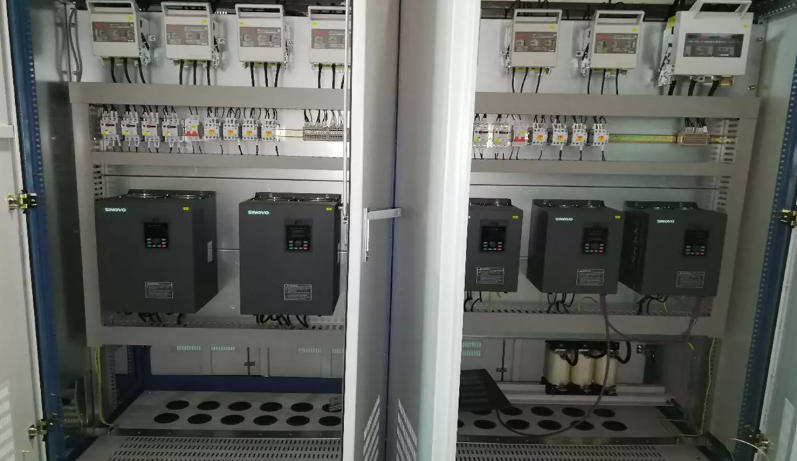
Variable frequency drives (VFDs) control motor speeds precisely. They allow energy-efficient operation across varying production demands. However, VFDs create harmonic distortion. They draw current in non-sinusoidal pulses. This non-linear load pattern stresses standard UPS systems.
Standard UPS units designed for linear loads overheat when feeding VFDs. They deliver distorted output الأشكال الموجية. Protective circuits trip unnecessarily. Batteries discharge prematurely. The UPS fails to provide the intended protection.
BKPOWER’s online industrial UPS systems handle non-linear loads natively. Our double-conversion topology isolates loads from utility power completely. We regenerate clean sine waves regardless of input quality. Our crest factor handling accommodates the pulsed current demands of VFDs.
Ⅲ. The Business Impact of Power Quality in Textile Production
1.Yarn Breakage and Quality Defects
Power interruptions cause immediate yarn breakage. Broken fibers wrap around rollers. They tangle in travellers. They jam in ring frames. The resulting downtime extends far beyond the actual outage. Operators must locate all break points. They must remove tangled material. They must restart machines sequentially.
Quality suffers even if threads don’t break immediately. Voltage sags reduce motor torque. Spinning tension varies. Yarn count becomes irregular. Weak points form in the filament. These defects appear only in later processing stages. Weaving or knitting reveals the weaknesses. The final garment shows unacceptable quality variations.
2.Calculating the True Cost of Downtime
Textile mills run on thin margins. Competition comes from global markets. Labor costs continue rising. Energy prices fluctuate. Equipment utilization determines profitability. A typical ring frame produces hundreds of kilograms of yarn daily. Downtime costs include lost production, wasted raw materials, labor for clearing breaks, and maintenance overtime.
Power-related stops also damage equipment. Emergency stops stress mechanical components. Sudden stops create flat spots on travelers. Restart sequences wear drive belts. Electronic cards fail from recurrent power surges. The cumulative effect reduces machine lifespan significantly.
Ⅳ. Technical Requirements for Textile Machine UPS Systems
1.Non-Linear Load Compatibility
Textile machine UPS units must handle crest factors of 3:1 or higher. The inverter must supply pulsed current without waveform distortion. Output voltage THD must remain below 3% even with non-linear loads. This ensures VFDs receive clean power for their internal rectifiers.
BKPOWER UPS systems incorporate IGBT-based inverters. Digital signal processors (DSPs) control output waveforms in real-time. The systems measure load characteristics continuously. They adjust switching patterns to maintain optimal output quality. This active compensation handles varying load conditions dynamically.
2.Environmental Hardening
Textile mills present harsh operating environments. Airborne cotton dust infiltrates equipment. High humidity affects insulation. Temperatures vary seasonally. Standard IT-grade UPS units fail quickly in these conditions.
Industrialgrade UPS systems require IP-rated enclosures. Air filtration prevents dust ingress. Conformal coating protects circuit boards. Wide temperature range components ensure reliability. BKPOWER units operate from -10°C to +50°C without derating. Forced ventilation systems include dust filters. Maintenance alerts notify operators when filters require cleaning.
3.Generator Compatibility
Many textile facilities use diesel generators for extended outages. UPS systems must synchronize with generator output. They must handle frequency variations during genset startup. Transfer switching must occur seamlessly.
BKPOWER UPS units feature wide input frequency windows. They operate effectively from 40Hz to 70Hz. Soft-start capabilities prevent generator overload during UPS startup. The systems accept phase shifts common in older generator installations. This compatibility ensures continuous protection during utility failures.
Ⅴ. BKPOWER Solutions: Engineered for Textile Applications
1.Double Conversion Online Topology
Our online industrial UPS systems provide true double conversion. Rectifiers convert AC to DC. Inverters recreate AC from DC. Batteries connect to the DC bus. This architecture isolates loads from all utility disturbances.
The benefits for textile mills include zero transfer time during outages. Loads never see utility power directly. Voltage regulation occurs continuously. Frequency variations disappear. Harmonic distortion from upstream sources cannot reach sensitive equipment.
2.Advanced Battery Management
Battery failures cause most UPS downtime. BKPOWER incorporates intelligent battery management systems (BMS). Temperature-compensated charging extends battery life. Automated testing detects weak cells early. Hot-swappable designs allow battery replacement without UPS shutdown.
We offer multiple battery options. Valve-regulated lead-acid (VRLA) batteries suit standard applications. Lithium-ion batteries provide longer life and faster recharge. Nickel-cadmium batteries excel in high-temperature environments. Our engineers help mills select optimal configurations for their specific conditions.
3.Scalable Configurations
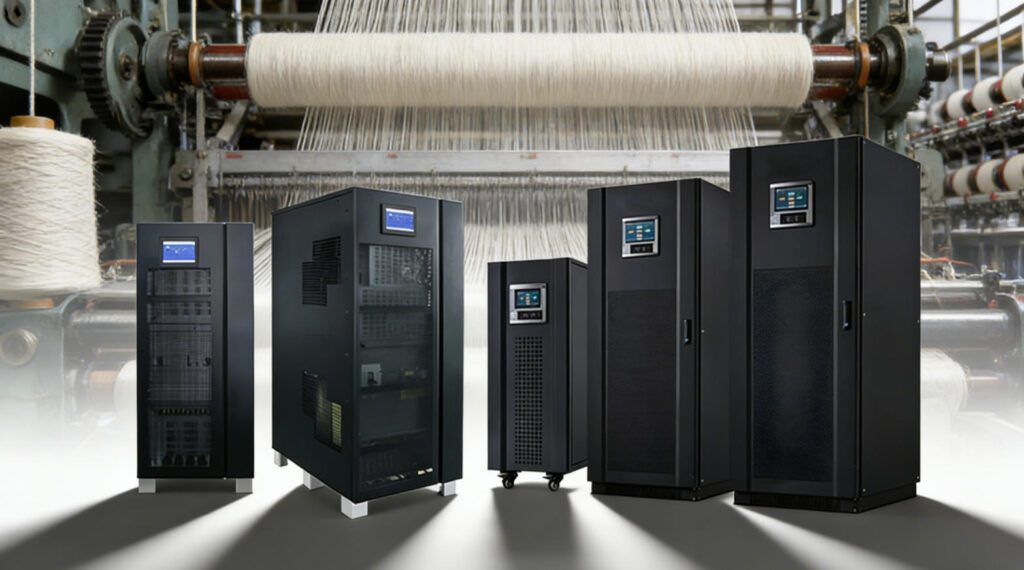
Textile mills vary in size from small specialty producers to massive integrated facilities. BKPOWER offers UPS systems from 10kVA to 100kVA. Modular designs allow capacity expansion. Parallel redundancy ensures availability for critical processes.
Our 10-100kVA range matches typical spinning machine requirements. Individual ring frames may need 15-30kVA. Complete production lines require 80-100kVA. We configure systems to protect single machines or entire departments.
Ⅵ. Implementation Strategies for Maximum Protection
1.Load Assessment and Sizing
Proper UPS sizing requires detailed load analysis. We catalog all connected equipment. We measure actual power consumption. We identify inrush currents during machine startup. We evaluate power factors and crest factors.
Oversizing wastes capital and reduces efficiency. Undersizing risks overload failures. BKPOWER engineers use specialized power quality analyzers. We capture transient events. We measure harmonic content. This data-driven approach ensures optimal system sizing.
2. التكامل مع البنية التحتية الحالية
Textile mills cannot afford prolonged shutdowns for UPS installation. BKPOWER designs solutions for minimal disruption. External bypasses allow maintenance without load interruption. We coordinate installation during planned maintenance windows. Our technicians work efficiently to minimize production impact.
We also integrate with existing building management systems. SNMP connectivity enables المراقبة عن بُعد. Alerts notify maintenance staff immediately. Historical data logging supports predictive maintenance programs.
3.Maintenance and Support
UPS systems require regular maintenance to ensure reliability. Filter cleaning, battery testing, and component inspection prevent unexpected failures. BKPOWER offers comprehensive service contracts. Local technicians respond quickly to emergencies. Remote diagnostics cover many issues without site visits.
Our predictive maintenance programs analyze performance trends. We identify degrading components before they fail. This approach maximizes system availability. It protects the substantial investments textile mills make in spinning equipment.
Ⅶ. Conclusion: Investing in Production Continuity
Power quality represents a controllable risk factor. BKPOWER’s online industrial UPS systems eliminate power-related production losses. Our non-linear load compatibility ensures VFD-driven textile machines operate continuously. Harsh environment ratings suit mill conditions perfectly.
The return on investment becomes clear quickly. Reduced material waste, fewer quality defects, and eliminated downtime justify the protection investment. Modern spinning equipment deserves modern power protection. BKPOWER delivers that protection with specialized textile machine UPS solutions.
Contact BKPOWER today for a power quality assessment. Our engineers will analyze your spinning machines’ specific requirements. We will design a protection system that ensures your production continues uninterrupted. Your yarn quality depends on stable power. BKPOWER ensures you have it.
المراجع
- اللجنة الكهروتقنية الدولية (IEC)الموقع الرسمي: www.iec.ch
- مختبرات أندررايترز (UL)الموقع الرسمي: www.ul.com
- اللجنة الأوروبية للتوحيد القياسي (CEN)الموقع الرسمي: www.cen.eu
- إدارة التوحيد القياسي في الصين (SAC)الموقع الرسمي: www.sac.gov.cn
- تحالف تشونغقوانكون لتكنولوجيا صناعة تخزين الطاقة (CNESA)الموقع الرسمي: www.cnESA.org
- الموقع الرسمي للمنظمة الدولية للتوحيد القياسي (ISO): www.iso.org