Bienvenido a BKPOWER












Remote Telecom Tower Power Backup Solutions
TIPS:Remote telecom infrastructure demands unwavering power reliability. An SAI de frecuencia industrial provides robust power conditioning for telecom base stations in remote areas. This article explores how SAI de frecuencia industrial technology solves voltage fluctuation challenges. We examine telecom tower UPS backup integration with remote monitoring capabilities. BKPOWER’s solution enables unattended operations through intelligent protocols. Discover why wide input voltage range matters for off-grid telecommunications equipment.
Ⅰ. Power Challenges for Remote Telecom Infrastructure
Telecom base stations in remote areas face unique electrical challenges. Grid stability is unpredictable. Voltage swings are common. Maintenance access is difficult.
Standard commercial UPS units struggle in these environments. They lack voltage tolerance. They require frequent battery cycling. They need constant human oversight.
Remote telecom towers encounter three primary power issues:
- Grid instability: Rural grids experience voltage fluctuations exceeding ±20%. These variations damage sensitive RF equipment. They disrupt base station controllers.
- Extended outages: Remote locations face longer power interruptions. Backup systems must sustain operations for hours. Generator fuel is scarce.
- Access limitations: Mountainous terrain complicates maintenance visits. Technical staff cannot respond quickly. Site visits are expensive.
En SAI de frecuencia industrial addresses these constraints through superior magnetic isolation and wider input voltage tolerance.
Ⅱ. Industrial vs. High Frequency UPS: Technical Comparison
UPS topology selection impacts telecom reliability. Two primary architectures exist: industrial frequency (transformer-based) and high frequency (switching-based).
Industrial Frequency UPS Architecture
These systems use iron-core transformers at input and output stages. The inverter operates at line frequency (50Hz or 60Hz). Key characteristics include:
- Galvanic isolation: Input and output circuits remain electrically separated. This prevents ground loops. It protects equipment from common-mode noise.
- Surge tolerance: Heavy-duty transformers absorb voltage spikes. They withstand lightning-induced transients. They protect downstream equipment.
- Short-circuit capability: High instantaneous current delivery supports motor starting. It handles cargas capacitivas from RF amplifiers.
High Frequency UPS Limitations
High frequency units use switching converters. They operate at 10kHz to 100kHz. While compact, they present challenges:
- Narrow input range: Typical ±15% voltage tolerance triggers frequent battery discharge. This reduces battery life in fluctuating grids.
- Limited isolation: Electronic isolation provides less protection than magnetic isolation. Sensitive telecom gear remains vulnerable.
- Temperature sensitivity: Power semiconductors degrade in heat. Cooling fans require maintenance. Remote dust contamination causes failures.
For remote telecom tower UPS backup applications, industrial frequency designs offer superior field reliability.
Ⅲ. Wide Input Voltage Range: The ±25% Advantage
Voltage fluctuations plague remote grids. Generators produce unstable output. Long distribution lines cause voltage drops. Industrial loads create sags.
Standard UPS Limitations
Conventional UPS systems accept ±15% input variation. When voltage exceeds this window, they switch to battery power. This causes:
- Premature battery aging
- Reduced backup runtime
- Thermal stress on electronics
Extended Range Benefits
En SAI de frecuencia industrial with ±25% input range (or wider) provides distinct advantages:
1. Reduced Battery Cycling
Wide voltage acceptance keeps the UPS on utility power. Batteries remain on float charge. Depth of discharge decreases. Calendar life extends by 40% or more.
2. Compatibilidad con generadores
Remote sites rely on diesel generators. Generator output varies with load. Voltage regulators respond slowly. Wide-range UPS accommodates these fluctuations without battery intervention.
3. Elimination of Voltage Regulators
Traditional narrow-range UPS requires external AVR (Automatic Regulador de tensión) devices. Wide-range designs eliminate this component. They reduce system complexity. They improve reliability.
4. Cost Reduction
Fewer battery replacements lower operational costs. Reduced site visits decrease maintenance expenses. Extended equipment life improves ROI.

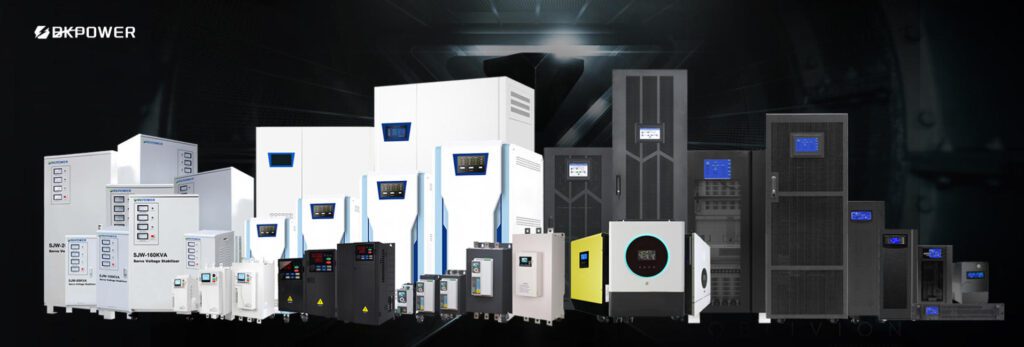
Figure 1: Industrial frequency UPS systems offer superior isolation and wider voltage tolerance for demanding telecom applications.
Ⅳ. Remote Monitoring: SNMP and Modbus Integration
Unattended telecom towers require intelligent monitoring. Operators must assess status remotely. They need proactive fault detection. SNMP Modbus remote monitoring provides these capabilities.
SNMP Protocol Benefits
Simple Network Management Protocol (SNMP) integrates with existing network management systems (NMS). It offers:
- Standardized communication: SNMP uses MIB (Management Information Base) structures. Network administrators understand these formats. Integration is straightforward.
- Trap notifications: Critical events trigger automatic alerts. Administrators receive immediate notification. Response time improves.
- Escalabilidad: Single NMS monitors thousands of sites. Centralized control reduces operational complexity.
Modbus Protocol Advantages
Modbus remains dominant in industrial automation. It provides:
- Register-based data: Voltage, current, and temperature appear as holding registers. PLCs read these easily. Integration with building management systems is simple.
- Multi-drop capability: Single RS-485 bus connects multiple devices. Wiring costs decrease. Daisy-chain configuration simplifies installation.
- Protocol reliability: Decades of field use prove Modbus robustness. It operates over noisy communication links. It tolerates electrical interference.
Dual Protocol Implementation
BKPOWER UPS units support both protocols simultaneously. SNMP provides network-level visibility. Modbus enables industrial automation integration. This dual approach ensures compatibility with diverse monitoring infrastructures.
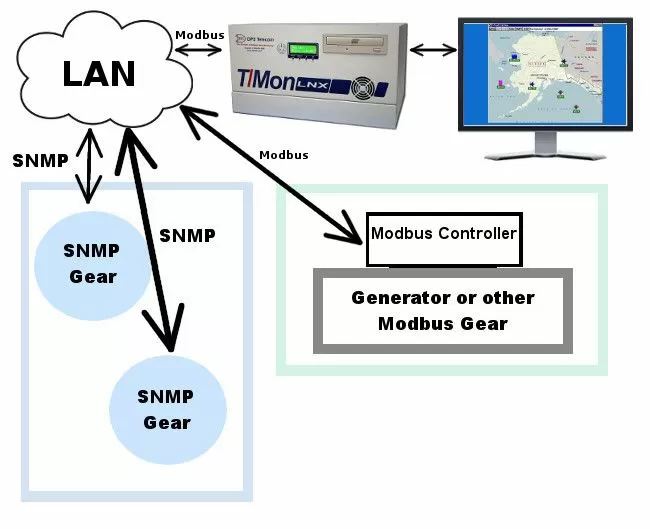
Figure 2: SNMP/Modbus integration enables centralized monitoring of distributed telecom power infrastructure.
Ⅴ. Unattended Operation Design Philosophy
True unattended telecom power requires more than remote monitoring. Hardware must operate autonomously for months. Environmental factors demand consideration.
Thermal Management
Remote enclosures experience temperature extremes. Desert sites reach 55°C. Mountain sites drop to -20°C. UPS thermal design must accommodate both.
Industrial frequency UPS generates more heat than high-frequency equivalents. However, the design tolerates thermal stress better. Magnetic components operate at higher temperatures. Oversized heat sinks provide thermal inertia. External ventilation systems maintain safe operating temperatures.
Gestión de la batería
Batteries are the weakest link in remote power systems. Temperature-compensated charging adjusts voltage based on ambient conditions. Intelligent charging algorithms prevent overcharging. Deep discharge protection preserves battery health during extended outages.
Physical Security
Remote sites attract vandalism and theft. Enclosures require tamper-proof features. Battery cabinets need locking mechanisms. Alarm systems detect unauthorized access.
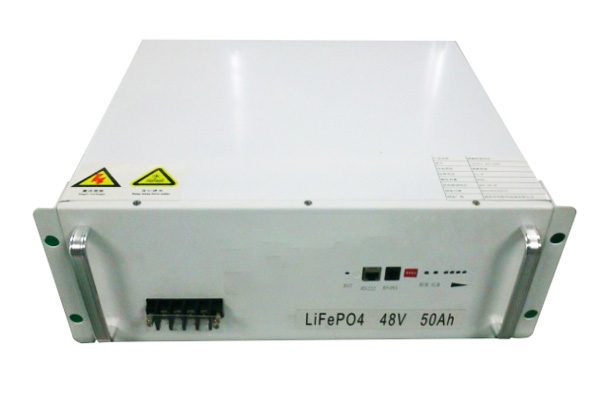
Figure 3: Integrated sistemas de baterías de reserva with SNMP/Modbus monitoring enable autonomous telecom tower operation.
Ⅵ. BKPOWER Integration: Dry-Type Transformers and UPS
BKPOWER specializes in 10-100 KVA dry-type transformers. These units complement SAI de frecuencia industrial systems perfectly.
Voltage Transformation
Telecom towers often receive medium voltage (11kV or 33kV) distribution. Step-down transformers provide 400V or 480V utilization voltage. UPS systems then protect at the application level. This staged approach provides:
- Fault current limitation
- Voltage regulation improvement
- Electrical isolation enhancement
Mitigación de armónicos
Modern RF equipment generates harmonic currents. These distort voltage formas de onda. They cause neutral conductor overheating. They interfere with communication circuits.
Dry-type transformers with K-factor ratings handle non-linear loads. When paired with wide-range UPS systems, they deliver clean power to sensitive telecom equipment.
Integration Architecture
BKPOWER designs unified power solutions. Transformers and UPS share monitoring protocols. Single interface displays complete power chain status. Maintenance scheduling coordinates for both devices. This integrated approach reduces operational complexity.
Ⅶ. Implementation Guidelines and Selection Criteria
Deploying telecom tower UPS backup systems in remote areas requires careful planning.
Capacity Planning
Calculate total load including:
- Base station transceivers (BTS)
- Microwave backhaul equipment
- Climate control systems
- Security and monitoring devices
Apply 1.25 diversity factor. Size for 6-8 hours battery backup minimum. Consider 48V DC systems for compatibility with telecom equipment.
Voltage Specifications
Specify ±25% minimum input voltage range. Require compatibility with 50Hz or 60Hz grids. Confirm generator synchronization capability. Verify transfer switch integration.
Environmental Rating
Specify IP54 minimum for outdoor cabinets. Require -20°C to +55°C operational range. Demand conformal coating on circuit boards. Confirm seismic rating for earthquake zones.
Communication Requirements
Mandate SNMP v3 support for security. Require Modbus RTU and TCP/IP. Ensure SMS gateway compatibility for cellular alerting. Confirm GPS synchronization capability for event timestamping.
BKPOWER delivers engineered solutions for remote telecom infrastructure. Our SAI de frecuencia industrial products provide the wide voltage tolerance and monitoring integration essential for unattended operations. Contact our applications team for site-specific recommendations.
Referencias
- Comisión Electrotécnica Internacional (CEI)Sitio web oficial: www.iec.ch
- Underwriters Laboratories (UL)Sitio web oficial: www.ul.com
- Comité Europeo de Normalización (CEN)Sitio web oficial: www.cen.eu
- Administración de Normalización de China (SAC)Sitio web oficial: www.sac.gov.cn
- Zhongguancun Energy Storage Industry Technology Alliance (CNESA)Página web oficial: www.cnESA.org
- Organización Internacional de Normalización (ISO)Sitio web oficial: www.iso.org