Welcome to BKPOWER!





Cold Chain Logistics: Refrigerated Warehouse UPS
TIPS:In cold chain logistics warehouse operations, refrigerated transformer based UPS systems serve not merely as backup power for outages, but as critical defense lines preventing cargo loss from temperature control failures. When cold storage temperature monitoring systems experience power interruptions, even brief outages can cause temperature excursions, resulting in entire inventory losses of vaccines or perishable goods. This article explores how deploying cold storage ups backup systems optimized for low-temperature environments—specifically utilizing industrial-frequency transformer architectures and battery low-temperature performance optimization technologies—ensures reliable power protection even in extreme -30°C conditions. The wide-temperature adaptability of refrigerated transformer based UPS and intelligent battery management of cold storage ups backup collectively build a zero-interruption temperature control system for cold chain logistics.
Ⅰ. The High Stakes of Cold Chain Power Protection
Cold chain logistics represents one of the most temperature-sensitive sectors in global commerce. Vaccines, biologics, frozen foods, and specialty chemicals require strict thermal maintenance. Temperature excursions of even 2°C can destroy product integrity. Financial losses extend beyond single shipments. Regulatory violations trigger penalties. Patient safety hangs in the balance for pharmaceutical products.
Power interruptions pose the greatest threat to cold chain integrity. Refrigeration compressors stop. Air circulation halts. Temperature monitoring systems go offline. Within minutes, cold rooms begin warming. Frozen products start thawing. By the time generators start, irreversible damage occurs. Traditional backup strategies fail cold storage facilities. They lack the temperature resilience that refrigerated environments demand.
Refrigerated transformer based UPS systems address these unique challenges. They utilize industrial-frequency transformers rather than high-frequency switching circuits. This architecture survives temperature extremes. It delivers clean power to sensitive control systems. It ensures that cold storage ups backup remains available when cargo needs protection most.
Ⅱ. Temperature Control Failure: The Cargo Loss Equation
Understanding the relationship between power loss and product damage clarifies infrastructure requirements.
1. Thermal Mass and Time Constants
Cold storage facilities maintain large thermal masses. Tons of frozen product store “cold energy.” However, modern facilities operate with minimal inventory buffers. Just-in-time logistics reduce stock levels. Thin product layers lose temperature rapidly. A -25°C freezer reaches -15°C within 15 minutes of compressor shutdown. This 10°C excursion destroys vaccine potency. It renders biologics non-viable.
2. Regulatory and Financial Impact
FDA 21 CFR Part 11 mandates continuous temperature documentation. Power gaps create data holes. Regulators reject such records. EU GDP guidelines impose similar requirements. A single temperature excursion can invalidate entire batches. Losses exceed €100,000 for pharmaceutical pallets. Seafood containers worth €50,000 spoil in hours. Insurance claims face rejection when backup power proves inadequate.
3. Compressor Restart Complexity
Refrigeration compressors cannot cycle rapidly. They require 3-5 minutes between starts. Power flickers trigger protective lockouts. Control systems need stable power to manage compressor staging. Without uninterruptible power supply protection, brief outages cascade into hours of warming.
Ⅲ. Why Standard UPS Systems Fail in Cold Environments
Commercial UPS units designed for office environments fail catastrophically in cold storage applications.
1. High-Frequency Circuit Limitations
Modern high-frequency UPS systems utilize IGBT switching at 10-20 kHz. These circuits generate heat. They require cooling airflow. At -20°C, thermal shock cracks circuit boards. Condensation forms when units cycle between cold storage and warmer spaces. Capacitor electrolyte viscosity increases. Capacitance drops by 40%. Power capacity degrades unpredictably.
2. Battery Performance Collapse
Lead-acid batteries lose capacity catastrophically in cold. At 0°C, available capacity drops 20%. At -20°C, capacity falls 50%. Below -25°C, batteries freeze. Electrolyte specific gravity increases as batteries discharge. Freezing points rise. A half-discharged battery freezes at -10°C. Charging frozen batteries causes explosions.
Standard lithium-ion batteries face similar challenges. Charging below 0°C deposits metallic lithium on anodes. This causes permanent capacity loss. Safety systems prohibit charging in cold. Battery backup duration becomes unpredictable when temperatures fluctuate.
3. Transformer Saturation Issues
Standard UPS transformers utilize grain-oriented silicon steel. Cold temperatures increase magnetic core losses. Inrush currents spike during startup. Circuit breakers trip falsely. Systems become unreliable.
Ⅳ. Refrigerated Transformer Based UPS Architecture
Purpose-built refrigerated transformer based UPS systems overcome these environmental challenges through specialized engineering.
1. Industrial-Frequency Transformer Advantages
These UPS units utilize 50/60 Hz transformers rather than high-frequency switchers. The architecture provides inherent robustness:
- Passive components tolerate temperature extremes from -40°C to +70°C
- No high-frequency switching means reduced electromagnetic interference
- Galvanic isolation protects control systems from grid transients
- Simplified thermal management eliminates fan dependencies
Transformer windings utilize Class H insulation (180°C rating). Cold storage operation stays well within thermal margins. Magnetizing currents remain stable across temperature ranges.
2. Conformal Coating and Environmental Protection
Circuit boards receive parylene or polyurethane conformal coatings. These seal against condensation. Components resist corrosion from humidity fluctuations. Enclosures achieve IP65 ratings. They exclude moisture and particulate contamination.
3. Wide-Temperature Component Selection
Capacitors utilize solid tantalum or ceramic dielectrics rather than electrolytic formulations. These maintain capacitance at -40°C. Semiconductors undergo cold-screening. Power modules utilize silicon carbide (SiC) devices with wider temperature bands than silicon IGBTs.
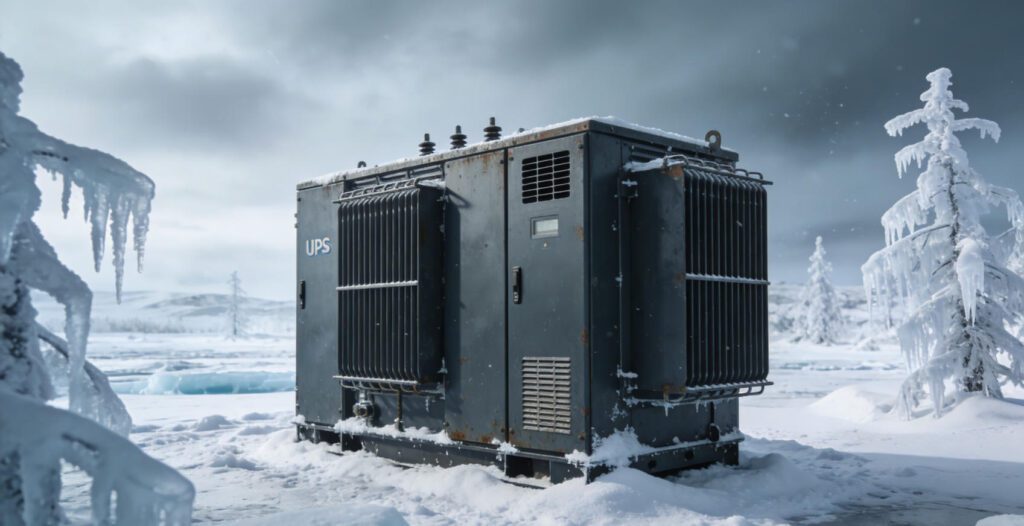
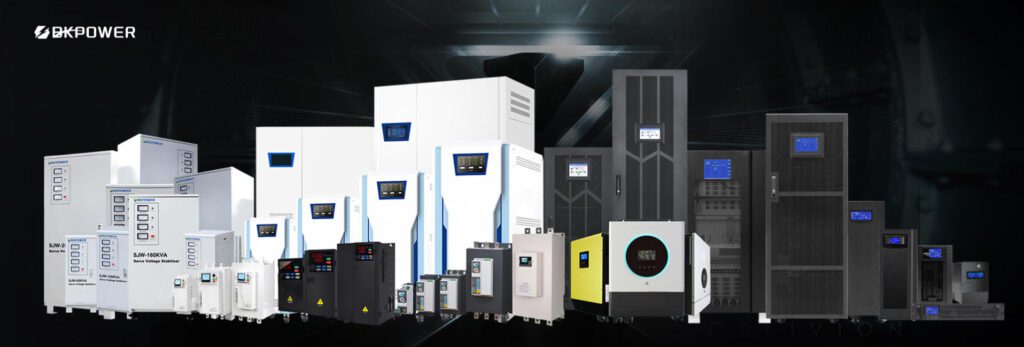
Figure 1: Industrial transformer-based UPS systems engineered for extreme temperature environments
Ⅴ. Battery Low-Temperature Optimization Technologies
Effective cold storage ups backup requires specialized battery management in sub-zero conditions.
1. Battery Heating Systems
Advanced UPS configurations incorporate battery heating mats. These utilize 20-50W silicone heating pads. Thermostats activate below 5°C. Batteries maintain 15-20°C operating temperature regardless of ambient conditions.
Insulation layers surround battery compartments. Aerogel or polyurethane foam reduces heat loss. Heating energy consumption remains minimal—typically 5-10% of standby losses. Battery capacity stays within 95% of rated values even at -30°C ambient.
2. Temperature-Compensated Charging
Charging voltage requires adjustment based on battery temperature. Cold batteries need higher charging voltages. Standard chargers undercharge cold batteries. This causes sulfation in lead-acid cells. Capacity degrades permanently.
Intelligent UPS systems monitor battery temperature via thermistors. Charging voltage increases by 3-5 mV per cell per degree below 20°C. This ensures full charge acceptance. It prevents electrolyte stratification. Battery life extends by 30% compared to fixed-voltage charging.
3. Lithium-Iron-Phosphate (LiFePO4) Chemistry
Modern cold storage UPS utilizes LiFePO4 batteries rather than lead-acid. These offer superior cold performance:
- Operational range from -20°C to +60°C
- 2000+ cycle life versus 300-500 for VRLA
- 50% weight reduction
- Flat discharge curve maintains voltage stability
Battery Management Systems (BMS) monitor individual cell temperatures. Heating circuits activate selectively. Energy consumption optimizes versus uniform compartment heating.
4. Battery Cabinet Design
Separate battery cabinets allow temperature zone management. Cabinets install in conditioned spaces adjacent to cold rooms. Cables run into freezers to power distribution. This arrangement avoids exposing batteries to extreme cold while protecting freezer controls.
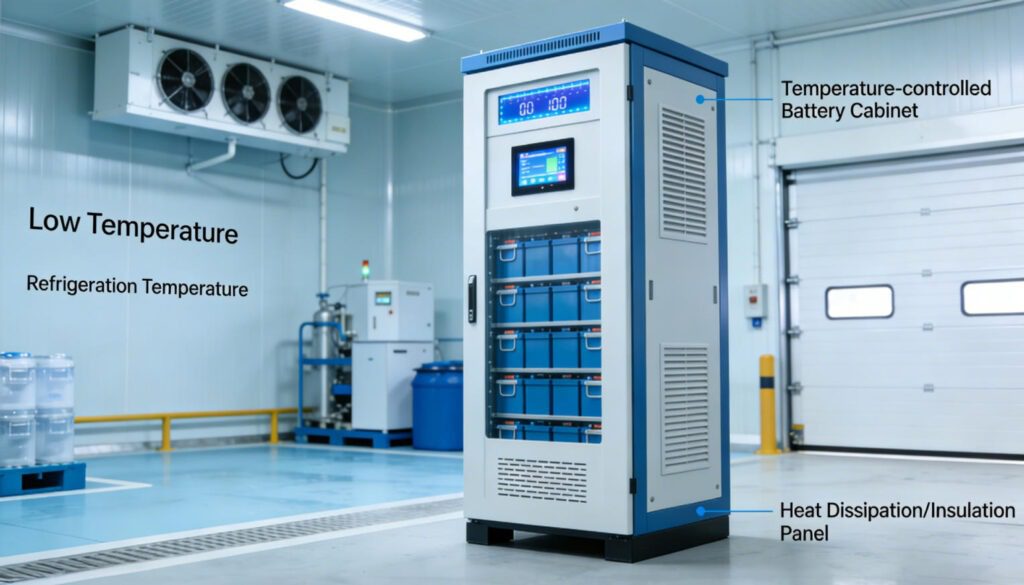
Figure 2: Temperature-controlled battery cabinets optimize performance in cold storage applications
Ⅵ. Integration with Cold Chain Infrastructure
Effective UPS deployment requires coordination with refrigeration and monitoring systems.
1. Critical Load Prioritization
Not all equipment requires UPS protection. Critical classification includes:
- Temperature monitoring and data logging systems
- Refrigeration compressor controls
- Alarm and notification systems
- Emergency lighting and access control
- Conveyor and material handling controls
Non-critical loads such as standard lighting and office equipment use generator backup. This sizing approach reduces UPS capacity requirements by 40%.
2. Redundant Monitoring Architectures
Cold storage facilities employ wireless temperature sensors. These transmit via LoRaWAN or cellular networks. UPS systems ensure gateway power continuity. Data logging maintains regulatory compliance even during outages.
3. Compressor Restart Sequencing
UPS systems provide power long enough for orderly compressor restarts. Staging prevents simultaneous inrush currents. Generators start under light load. This coordination prevents generator overload tripping.
Ⅶ. Economic Analysis and ROI
Investment in specialized UPS power supply systems for cold storage requires business justification.
1. Loss Prevention Value
A single prevented loss of a pharmaceutical pallet justifies UPS investment:
- Vaccine pallet value: €50,000-€200,000
- Biologics shipment: €100,000-€500,000
- Seafood container: €30,000-€80,000
- Regulatory penalties: €10,000-€100,000
Payback periods typically measure 6-18 months.
2. Insurance Premium Reductions
Underwriters recognize UPS protection. Cold storage facilities with certified backup systems receive 10-15% premium discounts. Policies exclude coverage for temperature excursions attributable to power failures without UPS protection.
3. Operational Continuity
UPS systems eliminate emergency shutdowns. Product transfers to backup facilities cost thousands per event. Refrigeration system restart protocols extend downtime. UPS protection maintains normal operations through brief outages.
Conclusion
Cold chain logistics demands power protection beyond standard commercial UPS capabilities. Refrigerated transformer based UPS systems deliver the temperature resilience, isolation, and reliability that frozen storage requires. Combined with advanced cold storage ups backup battery optimization—including heating systems, temperature-compensated charging, and LiFePO4 chemistry—these systems prevent the temperature excursions that destroy valuable cargo.
The equation is simple: Power protection equals product protection. In an industry where 2°C deviations cause catastrophic losses, uninterruptible power supply infrastructure engineered for cold environments represents not expense, but insurance against total inventory loss. Implement transformer-based UPS systems with optimized battery management. Your cold chain—and your bottom line—depend on it.
References
- International Electrotechnical Commission (IEC)Official website: www.iec.ch
- Underwriters Laboratories (UL)Official website: www.ul.com
- European Committee for Standardization (CEN)Official website: www.cen.eu
- Standardization Administration of China (SAC)Official website: www.sac.gov.cn
- Zhongguancun Energy Storage Industry Technology Alliance (CNESA)Official website: www.cnESA.org
- International Organization for Standardization (ISO)Official website: www.iso.org