Welcome to BKPOWER!












Heavy Duty UPS for Harsh Environments Guide
Introduction Summary
Heavy duty UPS systems are engineered specifically for demanding industrial applications where standard power protection fails. A robust heavy duty UPS system delivers exceptional performance in extreme temperatures, dusty conditions, and high-vibration environments that would destroy conventional uninterruptible power supply units. This comprehensive guide explores how heavy duty UPS systems protect critical factory operations through advanced wide-temperature design, dustproof sealing, and anti-corrosion technologies.
Ⅰ. Introduction: Power Protection Beyond Standard Limits
Standard UPS systems fail when temperatures soar above 40°C. They malfunction in dusty factory floors. They cannot withstand constant vibration from heavy machinery. Industrial facilities need something stronger. They need heavy duty UPS systems.
Manufacturing plants, oil refineries, and mining operations face power challenges unknown to office environments. Temperatures swing from freezing winters to scorching summers. Airborne contaminants fill the atmosphere. Heavy equipment generates constant vibration. Only specialized heavy duty UPS systems survive these conditions.
This guide examines the three critical design elements that distinguish heavy duty UPS systems from commercial-grade alternatives. We explore wide-temperature engineering, dustproof and corrosion-resistant enclosures, and anti-vibration structural designs. Understanding these features helps facility managers select reliable uninterruptible power supply solutions for their toughest applications.

Figure 1: Heavy duty UPS system installed in modern manufacturing facility with forklift operations
Ⅱ. Wide-Temperature Design Engineering
1. Operating Range Beyond Normal Limits
Standard UPS power supply units operate between 0°C and 40°C. Exceed these limits, and batteries degrade rapidly. Electronics fail prematurely. Cooling systems overload.
Heavy duty UPS systems function across extreme ranges. Quality industrial units operate from -30°C to +65°C. Some specialized models handle -40°C to +70°C. This wide-temperature capability ensures continuous protection regardless of ambient conditions.
Consider a steel mill in Arizona. Summer temperatures reach 50°C inside the facility. Standard battery backup systems would shut down or fail. A heavy duty UPS system with wide-temperature design continues protecting critical control systems without interruption.
2. Component Selection for Thermal Extremes
Achieving wide-temperature performance requires specialized components. Heavy duty UPS systems use:
- High-temperature capacitors: Rated for 105°C operation versus standard 85°C components
- Industrial-grade semiconductors: Designed for thermal cycling and heat dissipation
- Wide-temperature batteries: Lithium iron phosphate (LiFePO4) or high-temperature rated VRLA cells
- Enhanced cooling systems: Larger heat sinks, high-flow fans, and thermal management algorithms
These components cost more than standard parts. However, they deliver reliability where commercial UPS systems cannot survive.
3. Thermal Management Architecture
Effective thermal design separates heavy duty UPS systems from office-grade alternatives. Engineers implement multiple cooling strategies:
| Thermal Feature | Heavy Duty UPS | Standard UPS |
|---|---|---|
| Operating Range | -30°C to +65°C | 0°C to +40°C |
| Heat Sink Design | Oversized aluminum tunnels | Standard fin arrays |
| Fan Rating | Encapsulated, sealed bearings | Standard sleeve bearings |
| Thermal Monitoring | Multi-point temperature sensors | Single sensor |
| Airflow Design | Filtered intake, positive pressure | Open ventilation |
The “flow-through” heat sink tunnel design represents a key innovation. This architecture maximizes cooling while sealing sensitive electronics from contaminated air. Heat escapes efficiently. Dust and moisture remain outside.

Figure 2: Heavy duty UPS systems installed in coastal petrochemical facility with corrosion-resistant enclosures
Ⅲ. Dustproof and Corrosion-Resistant Protection
1. Ingress Protection (IP) Ratings Explained
Dust and moisture destroy electronics. Heavy duty UPS systems use sealed enclosures to prevent contamination. The International Protection (IP) rating system classifies these sealing capabilities.
Standard UPS systems typically offer IP20 protection. They prevent finger access to dangerous parts. They block large objects. However, they offer no dust or water protection.
Heavy duty UPS systems for factories typically achieve IP54 or higher:
- IP5X: Dust protected. Limited dust ingress permitted, but insufficient to interfere with operation
- IP6X: Dust tight. No dust ingress permitted
- IPX4: Protected against water splashing from any direction
- IPX5: Protected against water jets
For harsh chemical environments, heavy duty UPS systems may utilize IP65 or IP66 enclosures. These provide complete dust protection and powerful water jet resistance.
2. Corrosion-Resistant Materials and Coatings
Industrial atmospheres contain corrosive elements. Salt air attacks coastal facilities. Chemical vapors fill petrochemical plants. Sulfur compounds pervade mining operations.
Heavy duty UPS systems combat corrosion through multiple strategies:
- Powder-coated steel enclosures: Thick, uniform coatings prevent rust formation
- Stainless steel construction: 304 or 316 grade stainless for extreme environments
- Conformal coating: Protective film applied directly to circuit boards
- Galvanized hardware: Zinc coating protects fasteners and mounting components
- Sealed cable entry points: Prevents corrosive gas ingress through wiring penetrations
The conformal coating process deserves special attention. Technicians spray or dip circuit boards in protective polymer films. This coating shields delicate traces and components from moisture, salt, and chemical contaminants. It extends electronic life by years in harsh conditions.
3. Filter Systems and Maintenance
Even sealed heavy duty UPS systems require ventilation. Cooling air must enter the enclosure. Specialized filtration systems clean this air before it reaches sensitive components.
High-efficiency particulate air (HEPA) filters block microscopic dust particles. Activated carbon filters absorb chemical vapors and corrosive gases. Some heavy duty UPS systems include “smart de-dust” cooling systems. These reverse fan airflow periodically to expel accumulated dust.
Regular filter maintenance ensures continued protection. Unlike standard UPS systems that operate in clean rooms, heavy duty UPS systems for factories include filter replacement schedules in their maintenance protocols.

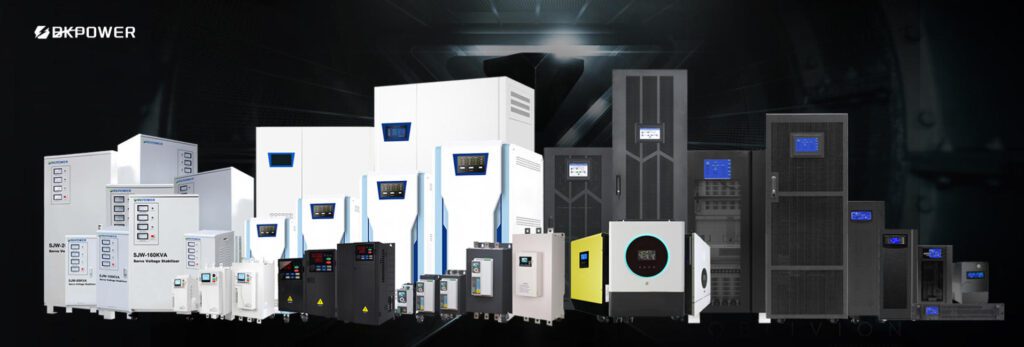
Figure 3: Range of heavy duty UPS systems showing various capacity options for industrial applications
Ⅳ. Anti-Vibration and Shock-Resistant Structures
1. The Vibration Challenge
Industrial environments vibrate constantly. Heavy machinery generates low-frequency rumble. Compressors create high-frequency oscillation. Conveyor systems transmit vibration throughout the facility.
Standard UPS systems cannot tolerate this mechanical stress. Solder joints crack under vibration. Connectors loosen. Internal components fatigue and fail.
Heavy duty UPS systems incorporate anti-vibration design from the ground up. They withstand continuous vibration and occasional shock loads that would destroy commercial-grade equipment.
2. Structural Engineering Solutions
Heavy duty UPS systems utilize multiple strategies to combat vibration:
Ruggedized Chassis Construction
- Thick-gauge steel: 2mm or thicker steel walls versus 1mm standard enclosures
- Welded frames: Continuous welds rather than spot-welded or folded construction
- Reinforced mounting points: Heavy-duty feet and brackets secured with multiple fasteners
- Floor anchoring systems: Bolting patterns that prevent tipping or walking
Internal Component Isolation
- Shock-mounted circuit boards: Elastomer isolators dampen vibration transmission
- Vibration-dampening mounts: Rubber or spring isolators for heavy internal components
- Secured battery trays: Locking mechanisms prevent battery movement during vibration
- Cable strain relief: Prevents wire fatigue at connection points
3. Seismic and Transportation Ratings
Some heavy duty UPS systems require seismic certification. Facilities in earthquake zones need equipment rated for seismic zone 4 (Z4) requirements. These units withstand significant ground acceleration without structural failure or hazardous component displacement.
Transportation-rated heavy duty UPS systems survive the rigors of mobile applications. Military and field operations require uninterruptible power supply units that function after rough transport over unpaved roads. These systems meet MIL-STD-810 shock and vibration specifications.
Ⅴ. Application Environments for Heavy Duty UPS Systems
1. Manufacturing and Heavy Industry
Automotive factories, steel mills, and heavy equipment manufacturers rely on heavy duty UPS systems. These facilities combine high temperatures, metal dust, and heavy vibration. Only ruggedized UPS power supply units protect critical automation controllers and safety systems.
2. Oil, Gas, and Petrochemical
Offshore platforms and refineries present salt air, chemical exposure, and extreme temperatures. Heavy duty UPS systems with NEMA 4X or IP66 ratings provide reliable battery backup for emergency shutdown systems and process controls.
3. Mining and Minerals Processing
Underground and surface mining operations generate massive dust and vibration. Heavy duty UPS systems protect conveyor controls, ventilation systems, and communication equipment in these demanding environments.
4. Transportation Infrastructure
Railway signaling, airport navigation aids, and port automation systems operate outdoors in all weather. Wide-temperature heavy duty UPS systems ensure continuous operation from desert heat to arctic cold.
5. Power Generation and Utilities
Power plants and electrical substations require heavy duty UPS systems for switchgear protection and control systems. These applications demand high reliability in electrically noisy and thermally challenging environments.
Ⅵ. Selection Criteria for Heavy Duty UPS Systems
1. Environmental Assessment
Before selecting a heavy duty UPS system, conduct a thorough site survey:
- Temperature profiling: Record minimum and maximum ambient temperatures throughout the year
- Contamination analysis: Identify dust types, chemical vapors, and moisture levels
- Vibration measurement: Quantify vibration frequency and amplitude at the installation location
- Access evaluation: Determine maintenance access and filter replacement logistics
2. Specification Checklist
Use this checklist when evaluating heavy duty UPS systems:
| Specification | Minimum Requirement | Preferred Specification |
|---|---|---|
| Temperature Range | -10°C to +50°C | -30°C to +65°C |
| Protection Rating | IP54 | IP65 or NEMA 4X |
| Vibration Resistance | Standard industrial | Seismic zone 4 rated |
| Battery Type | High-temp VRLA | Lithium iron phosphate |
| Enclosure Material | Powder-coated steel | Stainless steel 316 |
| Cooling System | Filtered forced air | Smart de-dust system |
| Maintenance Access | Front only | Full front and side access |
3. Total Cost of Ownership
Heavy duty UPS systems cost 2-4 times more than standard units upfront. However, they deliver superior value over time:
- Extended lifespan: 15-20 years versus 5-7 years for standard UPS
- Reduced downtime: Higher reliability prevents costly production interruptions
- Lower maintenance: Sealed systems require less frequent servicing
- Battery longevity: High-temperature batteries last 4-10 years versus 2-3 years standard
Calculate total cost of ownership over 15 years. Include purchase price, installation, maintenance, battery replacements, and downtime costs. Heavy duty UPS systems typically prove more economical for harsh environments despite higher initial investment.
Ⅶ. Installation Best Practices
1. Site Preparation
Proper installation ensures optimal performance. Prepare the site with these considerations:
- Level mounting surface: Ensure flat, rigid mounting to prevent chassis twisting
- Adequate clearance: Maintain manufacturer-specified clearances for airflow
- Vibration isolation: Install on vibration-dampening pads if local vibration exceeds specifications
- Environmental sealing: Seal all cable entry points to maintain enclosure ratings
2. Cable Management
Heavy industrial cables require proper management. Use cable glands rated for the enclosure IP rating. Maintain proper bend radii to prevent insulation damage. Separate power and control cables to prevent electromagnetic interference.
3. Commissioning and Testing
Commission heavy duty UPS systems under actual load conditions. Test transfer times under full load. Verify battery runtime at installation temperature. Document baseline performance parameters for future maintenance comparisons.
Ⅷ. Maintenance Protocols for Harsh Environments
1. Filter Maintenance
Clean or replace air filters on schedules determined by environmental dust loading. In extremely dusty environments, check filters monthly. Use differential pressure sensors to monitor filter condition when available.
2. Thermal Performance Verification
Annually verify thermal management performance. Check fan operation and rotation direction. Clean heat sinks of accumulated dust. Verify temperature sensor calibration against known references.
3. Structural Inspections
Inspect enclosure seals, gaskets, and hardware annually. Look for corrosion, loose fasteners, or seal degradation. Retorque mounting bolts to specifications. Replace gaskets showing compression set or damage.
4. Battery Management
Monitor battery temperature during operation. High-temperature batteries still degrade faster in heat. Implement temperature-compensated charging to optimize battery life. Replace batteries proactively based on service life projections rather than waiting for failure.
Ⅸ. Future Trends in Heavy Duty UPS Technology
1. Advanced Materials
New composite materials offer improved corrosion resistance with reduced weight. Carbon fiber reinforced enclosures provide excellent strength-to-weight ratios for mobile applications. Nano-coatings promise enhanced circuit board protection with thinner films.
2. Liquid Cooling Systems
High-power heavy duty UPS systems increasingly adopt liquid cooling. Closed-loop liquid cooling removes heat more efficiently than air cooling. This technology enables higher power densities in harsh environments where air filtration is challenging.
3. Predictive Maintenance
Internet of Things (IoT) sensors enable predictive maintenance for heavy duty UPS systems. Vibration sensors detect bearing wear in cooling fans. Thermal imaging identifies hot spots before failure. Cloud analytics predict optimal maintenance timing based on actual operating conditions rather than fixed schedules.
4. Modular Architectures
Modular heavy duty UPS systems allow capacity scaling and hot-swappable maintenance. Replace individual modules without shutting down critical loads. This architecture improves availability while reducing maintenance complexity in difficult access locations.
Ⅹ. Conclusion
Heavy duty UPS systems represent essential infrastructure for harsh industrial environments. Standard uninterruptible power supply units cannot survive the temperature extremes, contamination, and vibration present in factories, refineries, and mining operations.
Wide-temperature design ensures operation from arctic cold to desert heat. Dustproof and corrosion-resistant enclosures protect sensitive electronics from hostile atmospheres. Anti-vibration structures withstand the mechanical stress of heavy industry.
When selecting heavy duty UPS systems, look beyond initial purchase price. Evaluate total cost of ownership including reliability, maintenance requirements, and operational lifespan. Choose systems rated for your specific environmental challenges.
Investing in quality heavy duty UPS systems protects not just your electrical equipment. It safeguards your production continuity, worker safety, and operational profitability. In harsh industrial environments, only the strongest UPS power supply solutions survive. Choose wisely.
References
- International Electrotechnical Commission (IEC)Official website: www.iec.ch
- Underwriters Laboratories (UL)Official website: www.ul.com
- European Committee for Standardization (CEN)Official website: www.cen.eu
- Standardization Administration of China (SAC)Official website: www.sac.gov.cn
- Zhongguancun Energy Storage Industry Technology Alliance (CNESA)Official website: www.cnESA.org
- International Organization for Standardization (ISO)Official website: www.iso.org