Welcome to BKPOWER!












Industrial UPS System vs Standard UPS: Key Differences Explained
Power continuity requirements vary dramatically between office environments and industrial facilities. While a standard UPS may protect a personal computer or office network, it often fails to meet the demands of industrial operations.
This article explains the key differences between an industrial UPS system and a standard UPS, focusing on three decisive factors: load capability, MTBF, and protection level. Understanding these differences helps engineers and procurement teams avoid costly power design mistakes.
Ⅰ. What Defines an Industrial UPS System?
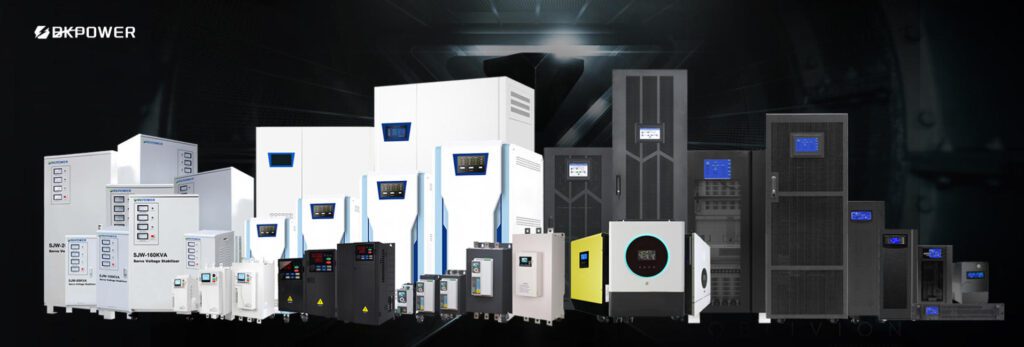
An industrial UPS system is designed for continuous operation under harsh electrical and environmental conditions. Unlike standard UPS units, it prioritizes:
- High load tolerance
- Long service life
- Electrical isolation
- Predictable failure behavior
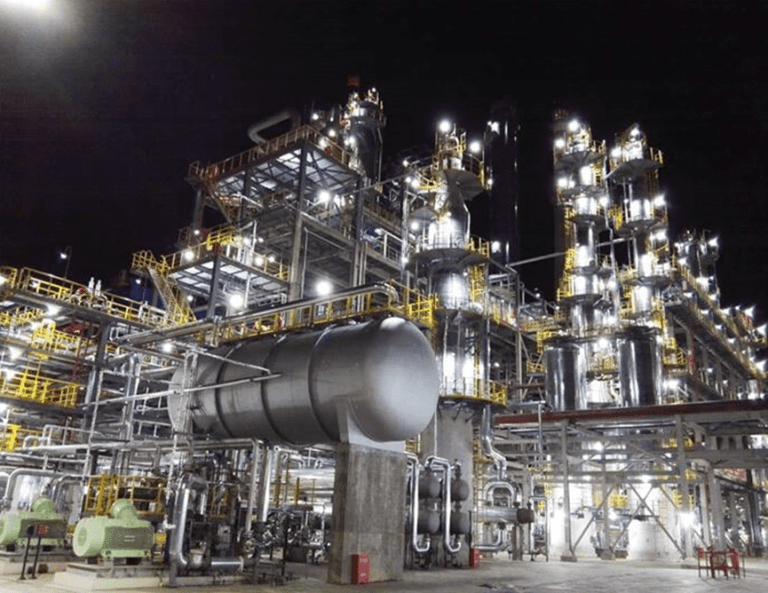
Industrial UPS systems are widely used in power plants, factories, transportation infrastructure, and process automation environments.
Ⅱ. Standard UPS: Design Purpose and Limitations
A standard UPS is typically intended for:
- Office IT equipment
- PCs and small servers
- Light commercial loads
While effective for short-term backup, standard UPS systems often lack:
- High overload capability
- Robust thermal design
- Industrial-grade protection
Ⅲ. Load Capacity: The Most Visible Difference

1. Industrial UPS Load Characteristics
Industrial loads are often:
- Inductive
- Non-linear
- High inrush current
An industrial UPS system is designed to handle:
- 125%–150% overload for extended durations
- Motor start currents
- Sudden load changes
2. Standard UPS Load Capability
A standard UPS typically supports:
- 100%–110% rated load
- Limited overload time
- Minimal surge tolerance
This makes it unsuitable for industrial equipment.
Ⅳ. MTBF: Reliability Beyond Specifications
1. What MTBF Really Means
MTBF (Mean Time Between Failures) measures system reliability over long periods. In industrial environments, MTBF directly impacts production continuity.
2. Industrial UPS MTBF Advantages
Industrial UPS systems achieve higher MTBF through:
- Redundant power modules
- Conservative component derating
- Industrial-grade capacitors and semiconductors
3. Standard UPS Reliability Limits
Standard UPS units are optimized for cost and compact size, which often results in:
- Lower component margins
- Shorter operational lifespan
Ⅴ. Protection Level and Environmental Adaptability
1. Electrical Protection
An industrial UPS system provides:
- Short-circuit protection
- Surge and transient suppression
- Input/output isolation
2. Mechanical and Environmental Protection
Industrial designs often include:
- Higher IP ratings
- Dust and moisture resistance
- Wide operating temperature range
Standard UPS units typically lack these features.
Ⅵ. Battery Backup Design Differences
Industrial UPS Battery Systems
- Designed for long discharge times
- External battery cabinets
- High-cycle durability
Standard UPS Battery Backup
- Internal batteries
- Short autonomy
- Limited service life
Ⅶ. Application Scenarios Compared
| Application | Industrial UPS | Standard UPS |
|---|---|---|
| Factory automation | ✅ | ❌ |
| Power substations | ✅ | ❌ |
| Office IT | ⚠ | ✅ |
| Process control | ✅ | ❌ |
Ⅷ. Why Choosing the Right UPS System Matters
Selecting the wrong UPS type can result in:
- Unexpected shutdowns
- Equipment damage
- Increased maintenance costs
An industrial UPS system ensures predictable and safe operation where power quality is critical.
References
- International Electrotechnical Commission (IEC)Official website: www.iec.ch
- Underwriters Laboratories (UL)Official website: www.ul.com
- European Committee for Standardization (CEN)Official website: www.cen.eu
- Standardization Administration of China (SAC)Official website: www.sac.gov.cn
- Zhongguancun Energy Storage Industry Technology Alliance (CNESA)Official website: www.cnESA.org
- International Organization for Standardization (ISO)Official website: www.iso.org