Welcome to BKPOWER!












Airport Baggage System UPS: Zero-Downtime Power Protection
TIPS:In modern aviation hub operations, airport UPS critical load reliability directly correlates with on-time flight performance. When baggage systems lose protection during power interruptions, cascading delays affect thousands of travelers. This article explores how deploying industrial UPS systems with N+1 redundant architecture eliminates single points of failure in baggage handling operations. We examine zero-interruption switching for critical loads and provide actionable strategies for airport operators to prevent passenger stranding crises caused by electrical faults. Industrial UPS systems serve not merely as backup devices, but as strategic infrastructure ensuring continuous operation of airport UPS critical load environments.

Ⅰ. The Hidden Cost of Baggage System Downtime
Modern airports operate as precision choreographies. Every component synchronizes to maintain departure schedules. Within this ecosystem, the Baggage Handling System (BHS) functions as the circulatory system. It transports luggage from check-in counters to sorting facilities and aircraft holds. A power interruption instantly halts this flow. The consequences extend far beyond mere inconvenience.
When conveyors stop, bags accumulate at chokepoints. Automated sorting equipment loses tracking data. Security screening systems malfunction. Airlines must delay flights to locate misplaced luggage. Passengers miss connections. The airport incurs penalties from carriers. Reputation damage spreads across social media within minutes.
Traditional wisdom suggests backup generators solve this problem. Reality proves more complex. Generators require startup time. Even a 10-second delay triggers system resets. Modern baggage systems contain sensitive programmable logic controllers (PLCs). These devices need clean, uninterrupted power. Voltage sags corrupt data. Frequency fluctuations damage motors. Only an industrial UPS system bridges this gap seamlessly.
Ⅱ. Why Conventional Backup Power Fails Critical Loads
Airport operators often misunderstand power protection hierarchies. They invest heavily in diesel generators. They neglect the critical transition period between grid failure and generator synchronization.
1. The Generator Gap Problem
Generators require time to start. They need stabilization. This interval ranges from 10 to 30 seconds. Modern baggage systems cannot tolerate such gaps. Conveyor PLC systems reset immediately. Security scanners lose calibration. Baggage reconciliation databases corrupt. Every second of outage creates a 10-minute recovery window. Airport UPS critical load protection must cover this vulnerability.
2. Power Quality Deficiencies
Generators produce dirty power during startup phases. Voltage fluctuations harm sensitive electronics. Harmonic distortion disrupts servo motors in automated sorting equipment. Uninterruptible power supplies condition incoming electricity. They filter spikes. They regulate voltage. Only double-conversion UPS power supply technology provides true isolation from grid anomalies.
3. Single Points of Failure
Many airports deploy single UPS units. They create maintenance nightmares. Technicians cannot service units during operations. A failure in this single unit leaves the baggage system exposed. True resilience requires N+1 redundancy UPS architectures. Spare capacity must exist within the protected infrastructure.
Ⅲ. N+1 Redundancy: Engineering for Zero Downtime
Reliability engineering principles guide modern airport infrastructure. The N+1 standard represents the baseline for mission-critical applications. This configuration includes one redundant UPS module beyond the minimum required capacity.
1. Parallel Architecture Benefits
In an industrial UPS system with N+1 configuration, multiple modules share the load. If one unit requires maintenance, others absorb its share. If one unit fails, redundancy prevents interruption. The system continues operating at full capacity. No switching occurs. No milliseconds of interruption affect downstream equipment.
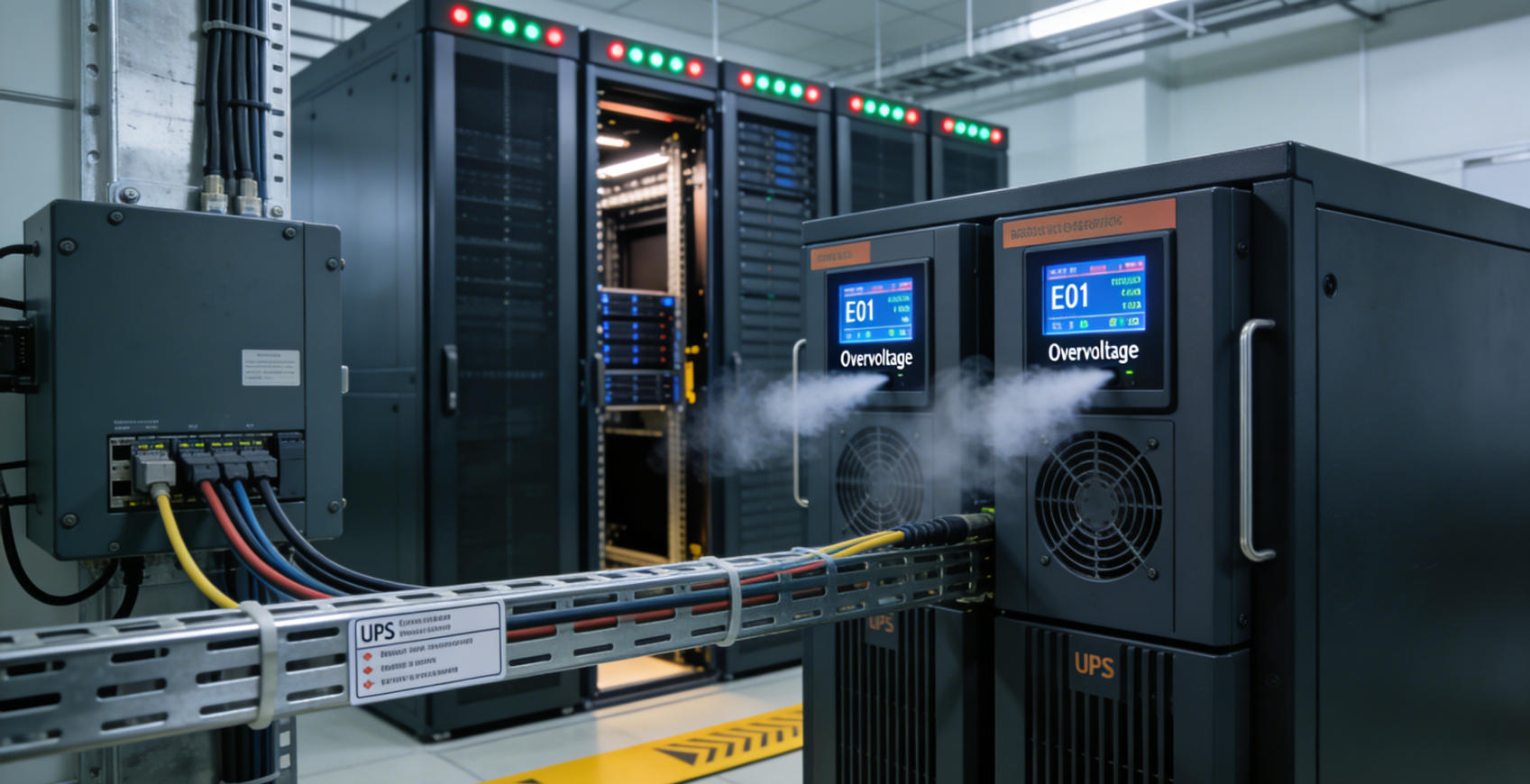
Figure 1: N+1 UPS Configuration ensures continuous power even during single module failure
2. Hot-Swappable Module Design
Modern modular UPS systems allow component replacement during operation. Technicians remove faulty units. They insert replacements. The baggage system continues running throughout this process. This capability eliminates planned downtime. It transforms maintenance from a disruptive event into a routine procedure.
3. Fault-Tolerant Control Logic
Advanced uninterruptible power supply systems feature redundant control circuits. Cooling systems contain backup fans. Power modules operate independently. This self-redundant design ensures that no single component failure cascades into system collapse. Mean Time To Repair (MTTR) approaches zero for most faults.
Ⅳ. Sizing UPS for Baggage Handling Critical Loads
Selecting appropriate UPS supplies requires precise calculation. Airport baggage systems present unique load profiles. Motor inrush currents spike during conveyor startup. Sorting equipment varies power consumption based on baggage volume. Security scanners cycle between idle and high-power modes.
1. Load Assessment Methodology
Engineers must calculate the total connected load. They add 20% growth capacity. They factor in motor starting currents. These calculations determine the base “N” capacity. The “+1” module adds additional 100% capacity. This ensures that even with one module offline, the system supports full load.
2. Battery Runtime Optimization
Batteries provide power during the generator gap. They also cover generator failures. Standard configurations provide 10-15 minutes autonomy. This duration allows generator startup and stabilization. Some airports opt for 30-minute autonomy. This covers fuel resupply delays or multiple generator failure scenarios.
3. Industrial vs. Commercial Grade Distinctions
Commercial UPS units suit office environments. They fail in airport baggage facilities. Industrial environments contain dust, temperature variations, and vibration. Industrial-grade UPS enclosures feature IP ratings against particulate ingress. They include enhanced cooling for tropical climates. Their components withstand electrical noise from adjacent high-power equipment.
Ⅴ. Integration with Broader Airport Infrastructure
Effective battery backup strategies require holistic planning. UPS systems must coordinate with generators, switchgear, and building management systems.
1. Generator Synchronization Protocols
UPS units provide bridge power during generator startup. Advanced Automatic Transfer Switches (ATS) coordinate between UPS and generator outputs. They ensure seamless transitions. They prevent back-feeding. They protect maintenance personnel.
2. Centralized Monitoring Platforms
Modern UPS systems offer Ethernet connectivity. They integrate with airport SCADA systems. Operations centers view real-time status. They receive predictive failure alerts. They monitor battery health. This visibility transforms power maintenance from reactive to preventive.
3. Geographic Distribution Strategies
Large airports deploy distributed UPS architectures. Each baggage handling zone contains localized protection. This topology limits failure domains. A UPS issue in Terminal 1 does not affect Terminal 3. It reduces cable distances. It improves voltage regulation at the point of use.
Ⅵ. Real-World Implementation: N+1 Deployment Case Study
A major European airport recently upgraded its BHS power protection. The existing single-module UPS system caused quarterly outages. Maintenance windows required full system shutdowns. Passenger complaints mounted.
The engineering team specified a modular industrial UPS system with N+1 redundancy. Four 200kVA modules support a 600kVA load. This provides 200kVA redundant capacity. The system occupies 40% less floor space than legacy standalone units.
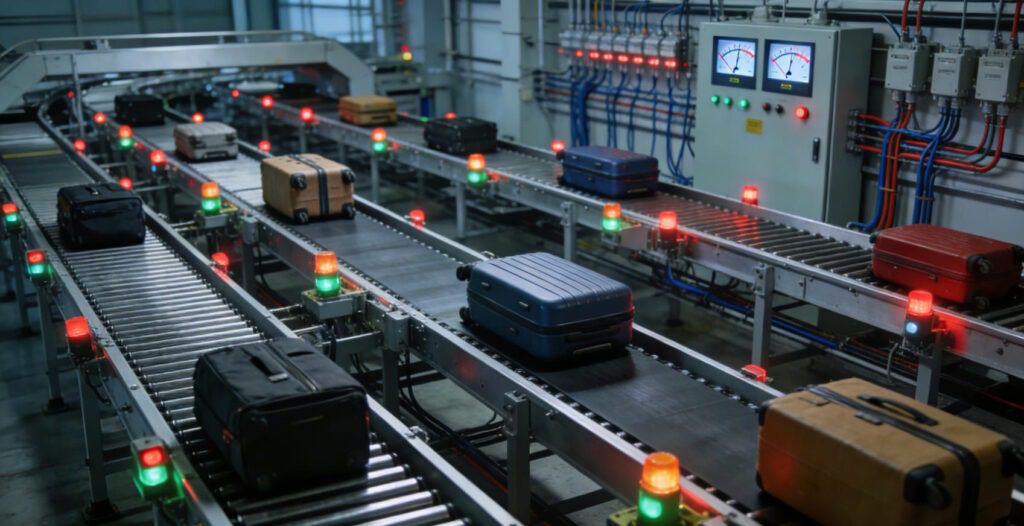
Figure 2: Modern airport baggage handling systems require continuous power to prevent flight delays
Results proved immediate. Zero unplanned outages occurred during the first 18 months. Maintenance teams performed module swaps during peak operations without passenger impact. The system achieved 99.9999% availability. Flight delays attributable to baggage system power issues dropped to zero.
Ⅶ. Strategic Recommendations for Airport Operators
Power infrastructure decisions affect airport competitiveness. Operators must view uninterruptable power supply systems as revenue protection investments, not cost centers.
1. Conduct Critical Load Audits
Map every component within the baggage system. Identify power dependencies. Classify loads as critical, essential, or non-essential. Size industrial UPS systems to cover all critical elements. Include security screening equipment. Include baggage reconciliation servers.
2. Adopt Modular Architectures
Avoid monolithic UPS units. Specify scalable, modular platforms. Start with current needs. Add modules as the airport expands. This approach defers capital expenditure. It ensures the power infrastructure grows with traffic volumes.
3. Implement Predictive Maintenance Programs
Battery failure causes 80% of UPS system outages. Install battery monitoring systems. Track internal resistance. Monitor temperature profiles. Replace cells before they fail. Schedule preventive maintenance during low-traffic periods. Keep spare modules on-site for immediate replacement.
4. Validate Systems Through Load Testing
Quarterly load testing verifies UPS functionality. It identifies degraded batteries. It ensures generators synchronize properly. Many airports skip this step due to operational concerns. Modern N+1 redundancy configurations allow testing without service interruption. Use these capabilities.
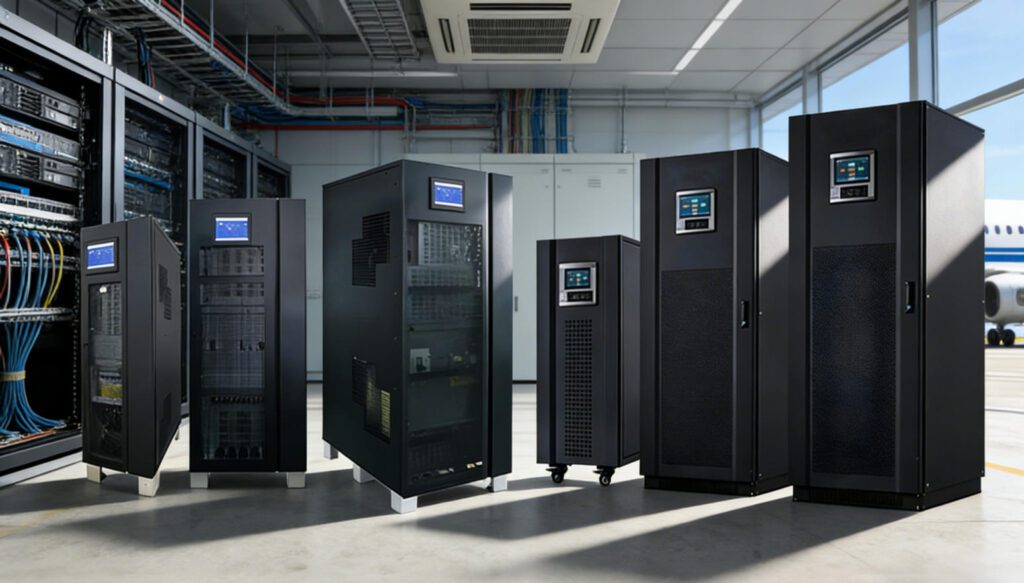
Figure 3: Industrial UPS systems protect airport operations from grid disturbances
Conclusion
Baggage system downtime equals passenger delays. This equation drives modern airport infrastructure planning. Industrial UPS systems with N+1 redundancy eliminate the power protection gap. They ensure continuous operation through grid disturbances, generator failures, and maintenance windows.
Airport operators must move beyond basic battery backup mindsets. They should adopt fault-tolerant architectures. They should prioritize modular, scalable platforms. Investment in robust airport UPS critical load protection pays dividends through eliminated delays, reduced operational stress, and enhanced passenger satisfaction.
The question is not whether you can afford such protection. The question is whether you can afford the next power outage without it. Deploy UPS power supply systems engineered for zero tolerance. Your passengers—and your operational metrics—will thank you.
References
- International Electrotechnical Commission (IEC)Official website: www.iec.ch
- Underwriters Laboratories (UL)Official website: www.ul.com
- European Committee for Standardization (CEN)Official website: www.cen.eu
- Standardization Administration of China (SAC)Official website: www.sac.gov.cn
- Zhongguancun Energy Storage Industry Technology Alliance (CNESA)Official website: www.cnESA.org
- International Organization for Standardization (ISO)Official website: www.iso.org