Welcome to BKPOWER!












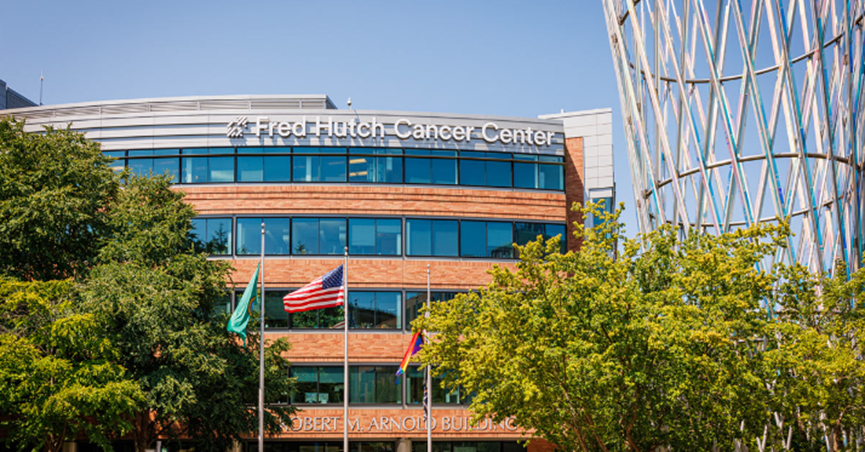
Fred Hutchinson Cancer Center UPS Project: High-Efficiency Case for Research Data Centers
Ⅰ. Project Overview
- Institutional Profile: The Fred Hutchinson Cancer Research Center, located in Seattle, Washington, is a global leading medical research institute dedicated to studies on cancer, AIDS, and other diseases. It has achieved breakthroughs in bone marrow transplantation, cervical cancer vaccines, immunotherapy, and other fields.
- Data Center Mission: The state-of-the-art data center built in 2012 must meet strict energy efficiency standards (ASHRAE Class 1 environment). It achieves ultra-high energy efficiency through technologies such as 90% air economizer cycles and direct evaporative cooling, while ensuring absolute reliability for research servers and international collaborative data.
Ⅱ. Core Challenges
- Extreme Energy Efficiency Requirements: Need to deploy a UPS with >94% efficiency to align with the data center’s energy-saving strategy, as traditional UPS systems cannot balance high efficiency and reliability.
- Zero-Interruption Imperative: The data center supports the lifeline of scientific research. Any disruption will paralyze global collaborations, requiring the UPS to provide the highest-level redundant protection.
- Space-Expansion Conflict: Limited existing space requires the UPS to support future load growth without additional space renovations.
- Intelligent Operation and Maintenance: Need real-time monitoring of battery health and early warning of potential failures to control operational complexity.
Ⅲ. Solutions
BKPOWER provides the BK-G33 series line-frequency UPS, featuring:
- High-Efficiency Technology: Base efficiency >96%, reaching 99% with a dedicated filter, achieving cost recovery within three years.
- Smart Power Supply Strategy: Dynamically adapts to grid fluctuations, reducing energy consumption by 50% and heat output by 75% under light loads.
- Architectural Innovation: N+X parallel redundancy requires no extra hardware, doubling capacity in the same volume.
Ⅳ. Project Achievements
- Energy Efficiency: Maintains a high power factor of 0.98, with no-load loss <0.5kW. For a 250kW load, each 1% efficiency improvement saves $4,000 annually.
- Reliability Verification: Successfully withstood a 1-hour power outage test, ensuring smooth load transition without impacting research data transmission.
- O&M Innovation: Provides device status information to the monitoring system via developed interfaces, detecting hidden dangers in advance, extending battery life, and reducing MTTR (Mean Time to Repair).
- Strategic Value: Establishes an industry energy efficiency benchmark, consolidates research data security, and enhances attractiveness for global scientific collaborations.
Ⅴ. Conclusion
This case demonstrates that high-end UPS systems, through high energy efficiency, reliability, and flexible architecture, become the core competitiveness of modern green data centers, offering replicable energy efficiency solutions for high-density research environments.