Welcome to BKPOWER!












Why Industrial UPS Systems Have Longer Lifespan?
TIPS:Industrial UPS lifespan dramatically exceeds standard UPS systems, achieving 10 years versus 5 for commercial units. This article explores the engineering principles behind this longevity advantage, focusing on thermal management design, component derating strategies, and maintenance accessibility that characterize heavy duty UPS system architecture.
Ⅰ. The Lifespan Gap: 10 Years vs 5 Years
1. Quantifying the Difference
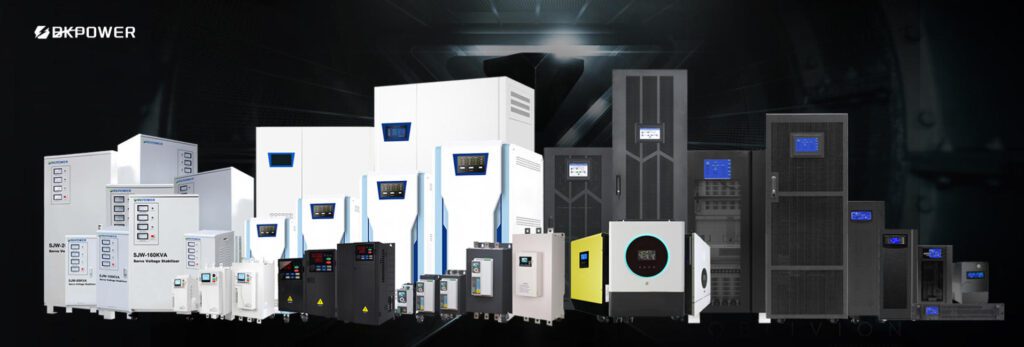
Industrial UPS systems deliver service lives of 10 years. Standard commercial UPS typically lasts 5 years. This represents a 200-300% longevity advantage. The difference is not incremental. It is transformational.
For facility managers, this gap affects capital planning significantly. An industrial UPS purchased in 2025 serves until 2045-2055. A standard UPS requires replacement in 2030-2035. Multiple replacement cycles create operational disruption. Cumulative costs escalate.
The 15-year service life extension justifies higher initial investment. Industrial UPS acquisition costs may exceed standard units by 50-100%. However, avoiding two or three replacement cycles produces substantial savings. Total cost of ownership analysis favors industrial designs for long-term applications.
2. Mean Time Between Failures (MTBF)
Reliability metrics confirm the lifespan advantage. Industrial UPS achieves MTBF ratings of 200,000-250,000 hours. This equals 22-28 years of continuous operation. Standard commercial UPS typically rates 100,000-150,000 hours (11-17 years). Consumer-grade units may only achieve 50,000 hours (5-6 years).
Higher MTBF translates directly to availability. Industrial facilities require 99.9% uptime or better. Frequent UPS failures create unacceptable downtime costs. The reliability differential makes industrial UPS essential for critical applications.
Manufacturers achieve high MTBF through rigorous component selection. Environmental stress screening eliminates weak components. Burn-in testing identifies early failures before field deployment. These quality processes add cost but deliver reliability.
Ⅱ. Thermal Design Excellence
1. Heat as the Primary Enemy
Temperature affects electronic component lifespan exponentially. Every 10°C rise above 25°C reduces component life by 50%. Capacitors dry out faster. Semiconductors experience increased thermal stress. Insulation materials degrade rapidly.
Industrial UPS systems recognize this reality. They implement comprehensive thermal management. Heat sinks are oversized. Airflow patterns are optimized. Redundant cooling fans ensure continuous operation even with fan failures.Standard UPS often operates at thermal margins. Compact designs sacrifice cooling for space efficiency. This compromise accelerates aging in challenging environments.
2. Advanced Cooling Architectures
Industrial UPS employs multiple cooling strategies:
Conduction cooling: Heat pipes transfer thermal energy from hot components to external heat sinks. This passive approach requires no moving parts. It provides reliable long-term cooling.
Forced air cooling: Redundant fan arrays create positive pressure airflow. N+1 fan configurations maintain cooling even with multiple fan failures. Fan speed control adjusts to temperature, reducing wear during low-load periods.Liquid cooling: Large industrial UPS (500+ kVA) may use liquid cooling loops. These systems handle extreme thermal loads. They enable higher power densities while maintaining component temperatures within specification.
Temperature monitoring: Multiple thermal sensors track component temperatures. The system adjusts operation to prevent overheating. Alerts notify operators of thermal anomalies before damage occurs.
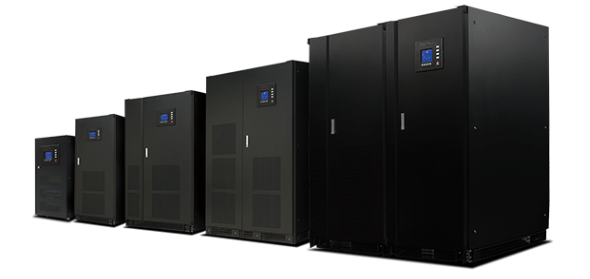
Figure 2: Industrial UPS thermal management system showing redundant cooling fans, optimized airflow channels, and heat dissipation design that maintains safe operating temperatures even in harsh environments up to 55°C.
3. Wide Temperature Operation
Industrial UPS specifications typically span -10°C to +55°C. Some extreme-duty models operate from -30°C to +65°C. This range exceeds standard UPS limits of 0-40°C.
Wide temperature capability requires component selection. Capacitors must tolerate thermal extremes. Semiconductors need temperature-stable characteristics. Control electronics employ industrial-grade components.
The ability to operate at +55°C without derating extends service life. Components remain well below maximum ratings. Thermal stress remains minimal. Longevity increases proportionally.
Ⅲ. Component Derating Strategy
1. Conservative Design Philosophy
Industrial UPS employs conservative component ratings. A component rated for 100A may be used at 70A. This 30% derating creates substantial safety margin. Stress reduction extends component life exponentially.
Derating applies to all critical components:
- Capacitors: Voltage rating 25-50% above operating voltage
- Semiconductors: Current rating 30-50% above maximum load
- Transformers: Sized for 150-200% of rated capacity
- Conductors: Cross-section 125-150% of calculated requirement
This approach contrasts with standard UPS designs that operate components closer to maximum ratings. Cost optimization drives standard designs toward minimal margins.
2. Voltage and Stress Margins
Power semiconductors (IGBTs, MOSFETs) in industrial UPS face reduced electrical stress. Voltage ratings exceed normal operation by 2-3×. This margin absorbs voltage transients without damage. Switching losses decrease. Thermal loading reduces.
Capacitors benefit similarly. DC bus capacitors in industrial UPS typically use 450V or 500V ratings for 384V DC systems. This 17-30% voltage margin prevents overstress during voltage fluctuations. Capacitor life extends from 5 years to 10-15 years.
Magnetic components (transformers, inductors) operate below saturation. Core losses remain minimal. Temperature rise stays well below insulation limits. These conservative margins enable 20+ year service life.
3. Quality Component Selection
Industrial UPS manufacturers specify industrial-grade or military-grade components. These components undergo:
- Extended temperature range testing
- Accelerated aging qualification
- Vibration and shock testing
- Extended burn-in periods
Component procurement emphasizes reliability over cost. Established suppliers with proven track records receive preference. Component traceability ensures quality accountability.
Standard UPS may use commercial-grade components. These meet basic specifications but lack extended reliability qualification. Cost pressures drive component selection toward lowest acceptable cost.
Ⅳ. Maintenance Accessibility and Modularity
1. Hot-Swappable Design
Industrial UPS systems feature modular hot-swappable components. Power modules, battery packs, and control cards can be replaced without system shutdown. This capability transforms maintenance from catastrophic interruption to routine procedure.
Hot-swap advantages include:
- No load exposure to unconditioned power
- Maintenance during normal business hours
- Immediate restoration of redundancy after repair
- Gradual system upgrades without replacement
Standard UPS often requires bypass operation for maintenance. Loads experience unprotected power during service windows. This risk discourages proactive maintenance. Deferred maintenance accelerates system degradation.
2. Front-Accessibility Engineering
Industrial UPS cabinets design for front-only access. All serviceable components reach from the front panel. This configuration eliminates rear clearance requirements. Maintenance technicians work safely without reaching around equipment.
Front access benefits include:
- Reduced floor space requirements
- Safer maintenance procedures
- Faster component replacement
- Better visibility for troubleshooting
Standard UPS designs may require rear access for certain components. Installation must accommodate service clearances. Space utilization becomes inefficient.
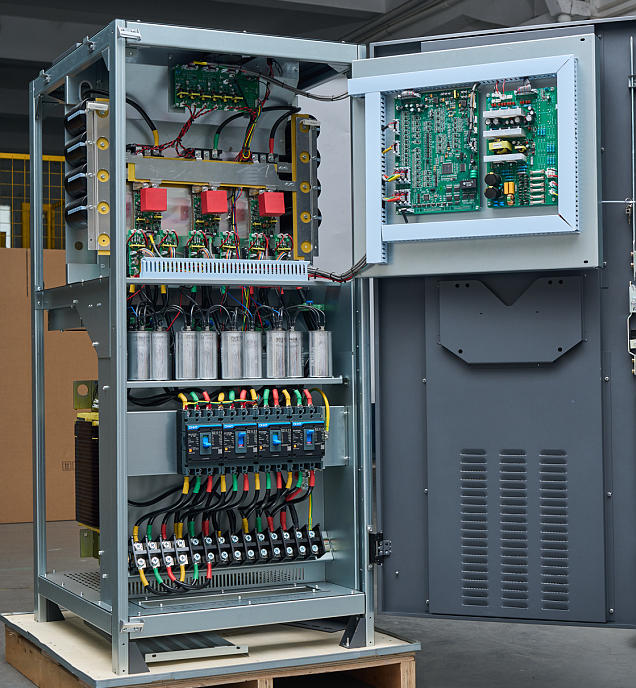
Figure 3: Industrial UPS system with front-accessible hot-swappable components showing power module drawers, battery trays, and control cards that enable maintenance without system shutdown.
3. Distributed Architecture
Modular industrial UPS distributes functions across multiple modules. No single module failure affects system operation. Fault isolation prevents cascade failures. System availability increases dramatically.
Distributed benefits extend to maintenance. Individual modules slide out for service. Remaining modules continue protecting the load. Service time reduces from hours to minutes. Technician safety improves.
Standard UPS concentrates functionality in monolithic units. Component failure affects entire system. Repair requires complete unit shutdown. Service windows become major operational events.
4. Battery System Design
Industrial UPS employs advanced battery management. Individual cell monitoring tracks battery health. Temperature compensation optimizes charging. Predictive algorithms identify replacement needs before failure.
Battery modules are hot-swappable. Replacement occurs without system interruption. Battery service life extends through proper management. Industrial UPS achieves 10-20 year battery life versus 3-5 for standard systems.
Ⅴ. Environmental Hardening
1. Enclosure Protection
Industrial UPS enclosures receive IP ratings for dust and moisture protection. Common ratings include IP20, IP31, or IP54 depending on application. Sealed enclosures prevent contaminant ingress.
Steel construction uses heavy-gauge materials. Powder coating resists corrosion. Gaskets seal panel joints. These measures protect electronics in dusty, humid, or corrosive environments.
Standard UPS typically provides minimal environmental protection. Office-grade enclosures suit clean environments. Industrial contamination causes rapid deterioration.
2. Vibration and Shock Resistance
Industrial UPS mounts in locations with mechanical vibration. Transformers, pumps, and compressors create vibration. Shipping and handling impose shock loads.
Ruggedized mounting systems isolate electronics from vibration. Component potting prevents movement. Structural reinforcement withstands shock. These measures prevent mechanical failures over service life.
Standard UPS lacks vibration hardening. Transportation damage may initiate latent failures. Operational vibration accelerates component fatigue.
3. Electrical Protection
Industrial UPS includes comprehensive electrical protection. Input filters suppress transients. Surge protective devices limit overvoltage. Isolation transformers block common-mode noise.
Protection extends to output circuits. Short-circuit protection prevents damage from load faults. Overload protection manages excessive current. These protections prevent stress that would degrade standard UPS components.
Ⅵ. Economic Analysis: Total Cost of Ownership
1. Initial Investment vs Lifecycle Cost
Industrial UPS requires 50-100% higher initial investment. A 100 kVA industrial UPS may cost $35,000. An equivalent standard UPS costs $15,000-20,000. This differential discourages some buyers.
However, lifecycle cost reverses the comparison. Over 20 years:
Industrial UPS TCO:
- Initial: $35,000
- Battery replacement (2×): $10,000
- Maintenance (20 years): $24,000
- Total: $69,000
Standard UPS TCO (3 replacements):
- Initial: $20,000
- Replacement 1 (Year 7): $20,000
- Replacement 2 (Year 14): $20,000
- Maintenance: $40,000
- Total: $100,000
Industrial UPS saves $31,000 over 20 years. Break-even occurs at approximately 8 years. For applications requiring 15+ year service, industrial UPS is economically superior.
2. Downtime Cost Avoidance
UPS failures create downtime costs. Manufacturing facilities lose $10,000-50,000 per hour. Data centers face similar losses. Healthcare interruptions risk patient safety.
Industrial UPS with 250,000-hour MTBF experiences one failure every 28 years. Standard UPS with 100,000-hour MTBF fails every 11 years. Over 20 years, industrial UPS may avoid 1-2 failure events.
Avoiding a single 4-hour outage saves $40,000-200,000. This downtime avoidance alone justifies industrial UPS investment for critical applications.
3. Residual Value
At end of service life, industrial UPS retains value. Modular design allows component reuse. Cabinets and enclosures remain serviceable. Some organizations achieve 30+ year service through selective refurbishment.
Standard UPS reaches end-of-life with no residual value. Complete replacement is necessary. Disposal costs add to lifecycle burden.
Ⅶ. BKPOWER Industrial UPS Implementation
1. Design Philosophy
BKPOWER industrial UPS incorporates all longevity principles discussed. Our TF Series features:
- Conservatively rated components (30-50% derating)
- 55°C ambient operation without derating
- Front-accessible modular design
- N+1 redundant cooling systems
- Heavy-duty steel enclosures
These design choices target 20+ year service life. Customers receive maximum return on investment.
2. Thermal Management Excellence
BKPOWER employs multi-stage thermal management. Heat sinks utilize aluminum extrusions with optimized fin geometry. Redundant fans create controlled airflow. Temperature monitoring provides 16-point thermal mapping.
Our systems maintain component temperatures 20-30°C below maximum ratings. This conservative thermal operation extends capacitor life to 15-20 years. Semiconductor reliability increases proportionally.
3. Maintenance Support
BKPOWER designs for serviceability. All components are front-accessible. Hot-swap modules enable maintenance without downtime. Diagnostic systems identify failing components before catastrophic failure.
We provide 20-year spare parts availability. Technical support guides maintenance activities. Training programs ensure customer personnel can perform routine service.
4. Validation and Testing
Every BKPOWER industrial UPS undergoes comprehensive testing:
- 100-hour burn-in at full load
- Temperature cycling from -10°C to +55°C
- Vibration testing per IEC 60068-2-6
- Electrical transient immunity testing
This validation ensures each unit meets 20-year service life requirements. Specified performance is guaranteed through design life.
Conclusion: Engineering for Longevity
Industrial UPS lifespan of 10 years results from deliberate engineering choices. Thermal design excellence maintains safe operating temperatures. Component derating reduces electrical and thermal stress. Maintenance accessibility enables proactive service. Environmental hardening protects against harsh conditions.
These features add initial cost. However, total cost of ownership analysis clearly favors industrial UPS for applications requiring 15+ year service. Downtime cost avoidance, reduced replacement frequency, and residual value create compelling economics.
Standard UPS serves short-term applications adequately. Office environments with 5-10 year equipment refresh cycles suit standard designs. However, industrial facilities, critical infrastructure, and long-term installations require industrial-grade reliability.
Reference Sources
| Source Organization | Resource Type | URL |
|---|---|---|
| International Electrotechnical Commission (IEC) | Component Derating Standard IEC 62539 | https://www.iec.ch |
| U.S. Department of Defense (DoD) | MIL-HDBK-338 Electronic Component Reliability Handbook | https://www.dau.edu |
| IEEE | Transformer Insulation Life Standard IEEE C57.91 | https://www.ieee.org |
| BKPOWER Product Center | BK-G33 Line-Frequency UPS Technical Specs & Life Indicators | Industrial Frequency UPS | Shenzhen BKPOWER Co., Ltd. |
| BKPOWER Technical Blog | UPS Preventative Maintenance Checklist & Replacement Cycles | BKPOWER Industrial Knowledge Hub: UPS Technology, Power Stability & Industry Applications |
Recommend Product
FAQ
Q1.Can a line-frequency UPS transformer really last 30 years?
Yes. Line-frequency transformers are pure electromagnetic components with no moving parts, no electrolyte, and no semiconductor junctions. BKPOWER uses Class F or H insulated copper-wound transformers with design temperature rise controlled below 80K, giving insulation life exceeding 30 years. In actual operation, as long as long-term overload (>150%) and insulation moisture are avoided, transformer lifespan can match the building’s service cycle.
Q2.Why must high-frequency UPS capacitors be replaced every 5-8 years?
High-frequency UPS eliminates the transformer and relies on DC-Link electrolytic capacitors for filtering. Electrolytic capacitor life follows the Arrhenius Law: life halves for every 10°C temperature rise. High-frequency UPS power density is high, with capacitor ambient temperatures often reaching 60-70°C. A capacitor rated 105°C/8,000 hours has actual life of only about 3-5 years at 70°C. BKPOWER line-frequency UPS shares ripple current through the transformer, reducing capacitor stress by over 50% and extending life to 15-20 years.
Q3.Does industrial UPS “derating design” create waste?
From a single device perspective, derating design increases initial cost (approximately 30%-50%). However, from a 20-year TCO perspective, derating design avoids 2-3 complete replacements, 6 capacitor replacements, and multiple downtime losses, reducing total cost by over 60%. For industrial users, the 30% “waste” on components translates into “savings” of millions in replacement and downtime losses. This is the economic core of industrial UPS.
Q4.Will harsh environments (high temperature, dust) shorten industrial UPS lifespan?
BKPOWER line-frequency UPS is designed for -25°C to +55°C operation, maintaining 80% rated capacity output at +55°C through derating. Dust protection uses positive pressure air channels with replaceable filters, and conformal coating on PCBs prevents conductive dust short circuits. With proper maintenance (regular filter replacement), harsh environments do not significantly shorten lifespan. However, if filters clog without cleaning, cooling failure will accelerate aging of all electronic components.
Q5.
Key indicators: ① Capacitor ESR (Equivalent Series Resistance) exceeds 50% of factory value; ② Battery internal resistance exceeds baseline by 30% or capacity falls below 80%; ③ Fan speed drops 20% or bearing noise occurs; ④ Transformer winding insulation resistance <1MΩ; ⑤ IGBT drive waveform distortion. BKPOWER annual maintenance services include these tests, using trend analysis to predict remaining life and achieve “predictive replacement” rather than “post-failure emergency repair.