Welcome to BKPOWER!












Sir Run Run Shaw Hospital UPS Project: Medical-Grade Power Case for Healthcare Continuity
Ⅰ. Project Overview
- Hospital Background
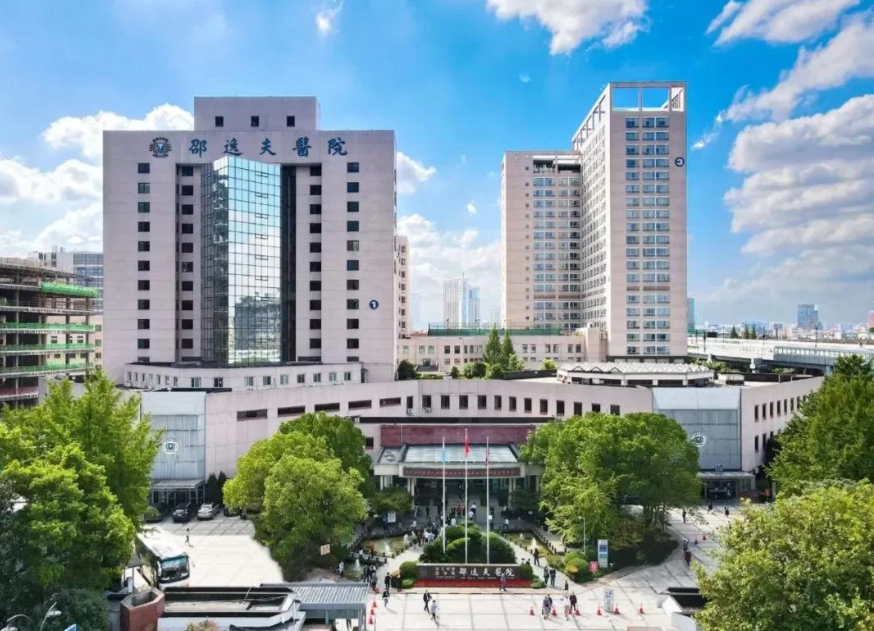
- Founded in 1994, Sir Run Run Shaw Hospital (affiliated with Zhejiang University School of Medicine) is China’s first public hospital accredited by JCI.
- Jointly built by the Zhejiang Provincial Government and funded by Sir Run Run Shaw, it is a Class III Grade A general hospital.
- It has three campuses (Qingchun, Xiasha, Shuangling), 47 clinical departments, and 102 nursing units.
- As the Third Clinical Medical College of Zhejiang University, it holds 37 PhD programs, 44 master’s programs, and 29 teaching and research divisions.
Ⅱ. Core Challenges
- Upgraded Medical Equipment Demands
- Increasing precision of medical devices and digitalization of healthcare services raise power quality requirements.
- Stable power supply is critical to ensure equipment operation and core business continuity.
- Power System Pain Points
- Urgent need for scientific power distribution planning and UPS adoption to protect critical equipment.
- Growing demand for uninterruptible power supply systems in hospital settings.
Ⅲ. Solutions
- Key Technical Applications
| Technical Module | Functional Advantages |
|---|---|
| DSP full-digital control | Ensures fast, precise, and stable system control |
| Direct parallel technology | Enhances UPS reliability and power supply quality |
| High-frequency switching | Optimizes energy efficiency and product consistency |
| UPS protection technology | Strengthens system anti-interference capability |
| Green power technology | Meets energy-saving standards |
| Battery management system | Prolongs battery service life |
| Network monitoring technology | Enables real-time remote monitoring |
- Tailored Solutions
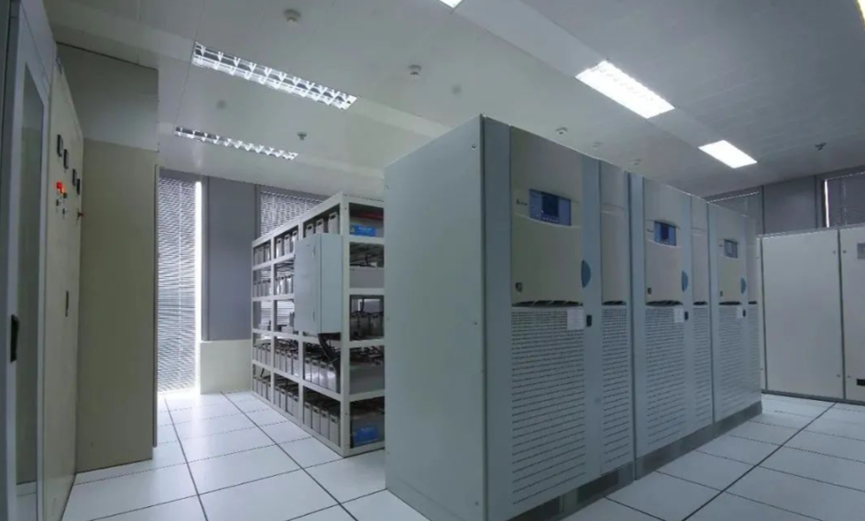
- Customized for medical environments and high-precision equipment, providing 24/7 power protection for data centers, critical medical devices, and key zones.
Ⅳ. Project Achievements
- Enhanced Business Continuity
- Zero power outages in core systems over three years; EMR system MTTR (mean time to repair) reduced from 120 minutes to 0 minutes.
- Cost and Efficiency Gains
- N+1 parallel expansion delivers 40% initial investment savings; 95% operational efficiency cuts annual electricity costs by $12,000.
- Avoided treatment delays boost patient satisfaction by 12%.
- Accelerated Digital Transformation
- Successfully deployed a new Health Information System (HIS) and tripled storage capacity of the radiology PACS system.