Welcome to BKPOWER!












Semiconductor Epitaxy UPS Case: BKPOWER Ensures 98.5% Wafer Yield
Ⅰ. Project Overview
- Enterprise Background
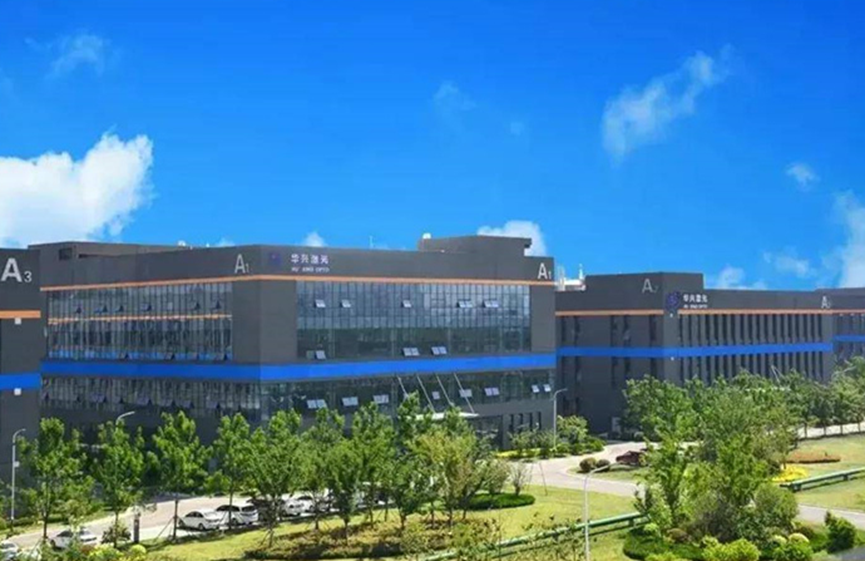
- Founded in 2016, headquartered in Pizhou Economic Development Zone, Jiangsu, Jiangsu Huaxing Laser is a national high-tech and specialized “Little Giant” enterprise.
- Focuses on R&D and production of Ⅲ-Ⅴ compound semiconductor epitaxial wafers (GaAs, InP), serving high-end fields like optical fiber communication and laser radar.
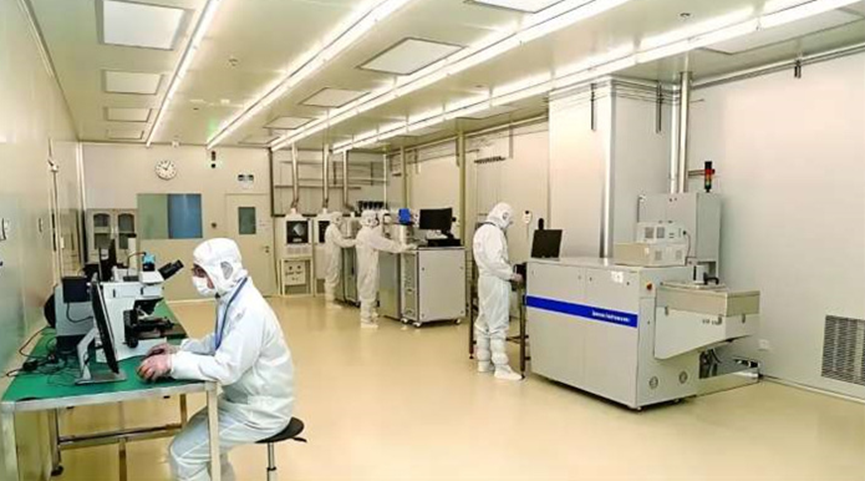
- Features: 30+ PhD/MA core team, ¥200M+ equipment value, 5,000㎡ clean workshop, ¥150M+ annual output.
- Production Line Power Demands
- MOCVD equipment for semiconductor epitaxy requires:
- Voltage stability within ±1% (fluctuations reduce wafer yield).
- Harmonic filtering for distortion rates >5% from high-frequency devices.
- MOCVD equipment for semiconductor epitaxy requires:
Ⅱ. Core Challenges
- Power Quality Risks
- Instantaneous overload: MOCVD startup current peaks at 8,000A, triggering overload protection in traditional UPS.
- Harmonic pollution: THDi reaches 8% from non-linear loads, shortening equipment lifespan.
- Harsh Environmental Demands
- Equipment shutdown >10 minutes scraps wafers, requiring seamless UPS switching.
- O&M Management Hurdles
- Decentralized supply: 12 independent UPS systems caused >30-minute fault response.
- Battery aging: Lead-acid batteries (3,000 cycles) incurred ¥500K annual replacement costs.
Ⅲ. Solution
- Technical Architecture
- Intelligent Parallel Control:
- 4×300kVA UPS in parallel (1.2MW total), N+1 redundancy, ±1% load balancing.
- Harmonic Governance:
- Built-in THDi active filtering, input PF >0.99.
- Intelligent Parallel Control:
- Implementation Strategy
- Modular deployment with 30% capacity reserve.
- Integration with factory MES for real-time UPS efficiency and battery SOH monitoring.
Ⅳ. Project Achievements
- Production Stability Gains
- 98% reduction in MOCVD shutdowns, wafer yield up from 92% to 98.5%.
- Energy Efficiency Optimization
- THDi reduced from 8% to 3%, saving ¥800K/year in electricity.
- Lithium iron phosphate batteries (10,000 cycles) cut maintenance costs by 70%.